


Thoughtful Flower Delivery Options for Funeral and Sympathy Occasions in Soweto
Losing someone close can be an overwhelming experience, and finding an appropriate way to express sympathy is not always easy. Flowers can provide a simple and respectful way to show support when words do not seem sufficient. A carefully chosen floral tribute can acknowledge the loss while offering comfort to the family and recognising the importance of the occasion.
When arranging flower delivery Soweto, it is helpful to consider the type of tribute, the relationship you had with the deceased, and the preferences of the bereaved family. Different arrangements can communicate different sentiments, from quiet remembrance and respect to affection and heartfelt sympathy. Taking these details into account can make the gesture more personal and appropriate.
Funeral and sympathy flowers also need to be practical. The timing of delivery, destination, arrangement size and type of service can all influence what is suitable. Whether flowers are being sent directly to a family home, funeral venue, memorial service or another appropriate location, careful planning can help ensure that the tribute arrives at the right place and at a suitable time.
Choosing Flowers That Suit a Funeral or Sympathy Occasion
Funeral flowers are generally selected for their symbolism, appearance and suitability for a solemn occasion. While there is no single arrangement that is appropriate for every funeral, traditional choices often include roses, lilies, chrysanthemums, carnations and other flowers associated with remembrance, respect and sympathy.
The colour of the flowers can also influence the overall feeling of an arrangement. White flowers are frequently associated with peace, purity and remembrance, making them a common choice for funeral tributes. Soft pastel shades can create a gentle and understated presentation, while deeper colours may be chosen when the sender wants to express affection, respect or a strong personal connection.
Personal preferences should also be considered. If the family has mentioned a particular flower or colour, incorporating it into the arrangement can make the tribute more meaningful. Similarly, flowers that were especially loved by the deceased may provide a personal connection that goes beyond traditional funeral customs.
Different Floral Tributes to Consider
Funeral and sympathy flowers can be presented in several forms. The most appropriate option depends on the nature of the occasion and where the flowers will be displayed.
- Flower wreaths can create a formal circular tribute that represents remembrance and continuity. They are commonly displayed at funeral services and memorial gatherings.
- Coffin sprays are designed to be placed on or over the coffin and can form an important part of the funeral service. Their size and style should generally be discussed with the family or funeral arrangements coordinator.
- Bouquets and hand-tied arrangements offer a more flexible option. They may be suitable for sending to a family home or presenting to relatives as a personal expression of sympathy.
- Standing arrangements can provide a more prominent tribute at a funeral venue, memorial service or viewing area, particularly when flowers are being sent on behalf of several people.
Each style creates a different visual impression, so it is worth considering where the flowers will be placed before ordering. A large arrangement may be suitable for a formal venue but less practical for a private home, while a smaller bouquet can provide a more personal gesture.
Considering the Relationship With the Deceased
The relationship between the sender and the deceased can help guide the choice of flowers. A close family member may select a more personal or elaborate tribute, while a colleague, neighbour or acquaintance may prefer something simple and respectful.
There is no requirement for a sympathy arrangement to be elaborate. In many cases, a modest bouquet accompanied by a thoughtful message can communicate genuine care without drawing unnecessary attention. The purpose is to express sympathy and support rather than to create an extravagant display.
For someone who had a particularly close relationship with the deceased, personal touches may be appropriate. Favourite flowers, meaningful colours or a specific arrangement style can reflect memories and provide a connection to the person’s life. These choices can be discussed with the florist when placing the order.
Choosing Appropriate Colours and Flower Types
Flower symbolism varies between cultures, families and individuals, so it should be treated as a guide rather than a strict rule. The same flower can have different meanings depending on its colour and the context in which it is presented.
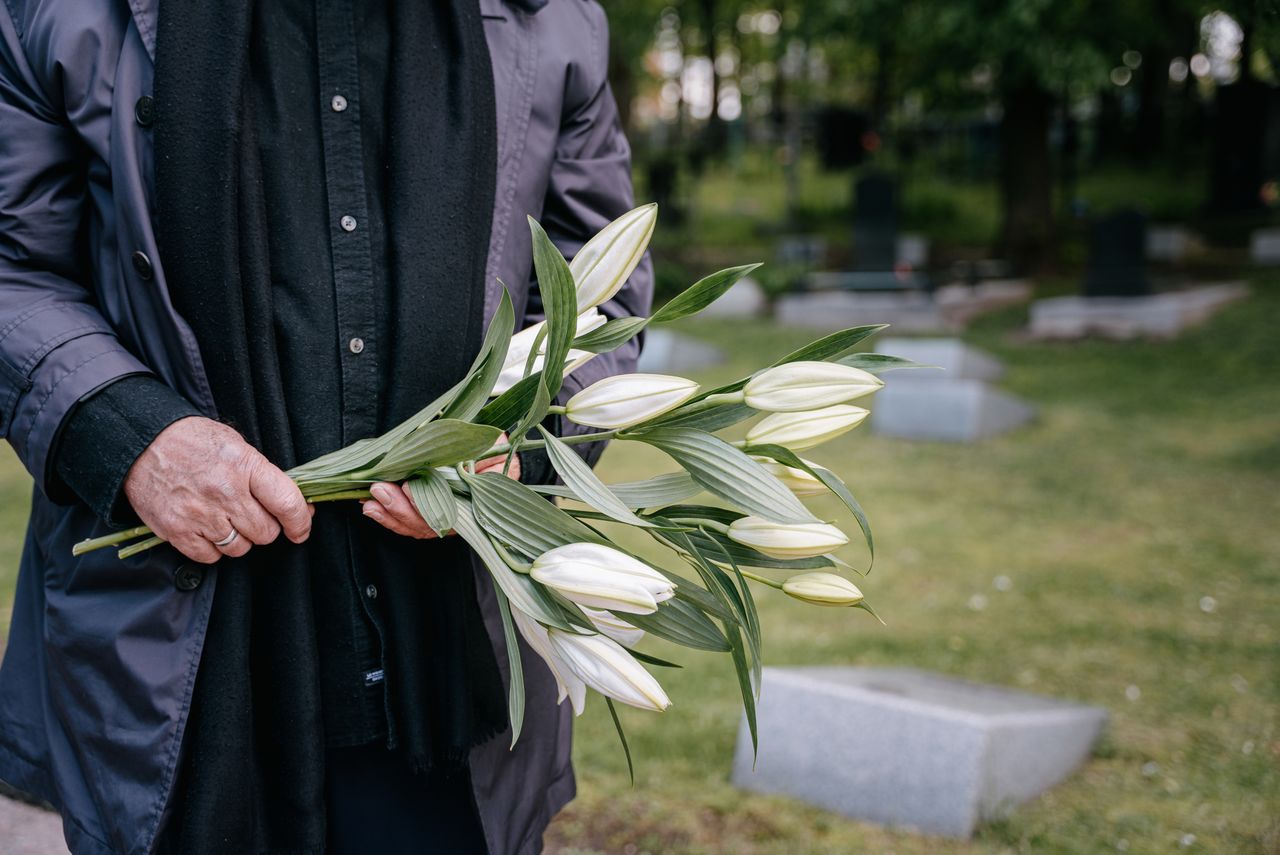
White remains a popular choice for sympathy arrangements because it creates a calm and dignified appearance. Roses can represent love, respect and remembrance, while lilies are often associated with peace and renewal. Carnations can provide a traditional and long-lasting floral option, and chrysanthemums are used in funeral traditions in various cultures.
When choosing flowers for a funeral in Soweto, cultural and family traditions may be particularly important. Funeral customs can differ considerably, and the preferences of the immediate family should take precedence over general assumptions about what a particular flower represents.
Timing Your Flower Delivery Carefully
Timing is one of the most important practical considerations when sending funeral flowers. If flowers are intended for a funeral service, they need to arrive early enough for the venue or funeral organisers to receive and position them appropriately.
For flowers being sent to a private residence, the timing may be more flexible. However, it is still useful to consider whether the family will be at home and whether there are funeral preparations taking place. During the days following a death, relatives may have busy schedules and may spend significant periods away from home.
When ordering, provide the florist with as much accurate information as possible. The recipient’s name, delivery address, contact details and preferred delivery date can all help reduce the possibility of confusion. If the flowers are intended for a funeral venue, include the relevant service details where appropriate.
Practical Details to Check Before Ordering
A thoughtful floral gesture also depends on getting the practical details right. A small mistake in an address or delivery date can cause unnecessary difficulty during an already demanding period.
Before confirming an order, consider:
- The exact delivery location and recipient details
- The date and approximate timing required
- Whether the flowers are intended for a home, funeral venue or memorial service
- The preferred flower types, colours or arrangement style
- The message that should accompany the flowers
- Any specific instructions provided by the family or funeral organisers
It can also be useful to confirm whether the chosen florist serves the particular area and destination. Soweto covers a large geographical area, and delivery arrangements can vary depending on the location and time of day.
Writing a Respectful Sympathy Message
A short message can make a floral tribute feel more personal. It does not need to be lengthy or overly formal. A sincere expression of sympathy is often more appropriate than trying to find elaborate words.
Messages such as expressing condolences, remembering the deceased with respect or offering support to the family can accompany the flowers effectively. If the sender knew the deceased personally, mentioning a positive memory or characteristic may also be appropriate, provided the message suits the family’s circumstances.
For professional relationships, a simple message from a company, team or group of colleagues can communicate collective sympathy. The wording should remain respectful and avoid overly casual expressions.
Sending Flowers to a Funeral Venue
When flowers are being delivered directly to a funeral venue, additional planning may be necessary. Funeral services often follow carefully organised schedules, and several floral tributes may be delivered for the same service.
Providing the florist with the correct venue name and service information can help the delivery reach the intended destination. Where possible, the family or funeral coordinator can also confirm whether the venue has any particular requirements for floral deliveries.
Arrangement size should be considered as well. A very large tribute may require additional display space, while smaller arrangements can be easier for venue staff to position alongside other flowers. The aim is to provide an appropriate tribute without creating logistical difficulties.
Sending Sympathy Flowers to a Family Home
A home delivery can be a suitable choice when you want to support the family privately rather than sending flowers to the funeral itself. This can be particularly appropriate after the funeral, when relatives may still be grieving and adjusting to the loss.
A bouquet or compact arrangement is often practical for a home environment. Choosing an arrangement that can be placed easily on a table or another suitable surface may be more convenient than selecting a large display intended for a formal venue.
It is also worth considering the recipient’s availability. If you know that the family is attending funeral arrangements throughout the day, a delivery time when someone is likely to be present may be preferable.
Respecting Cultural and Family Preferences
Soweto is home to diverse communities and traditions, meaning there is no universal approach to funeral flowers. Families may follow religious, cultural or personal customs that influence the type of flowers they prefer, where flowers should be sent and how they should be displayed.
If you are uncertain about what is appropriate, asking a close family member or funeral coordinator can prevent an unintended misunderstanding. This is particularly useful when sending flowers on behalf of a business, community group or larger group of people.
Respecting these preferences is ultimately more important than following general floral etiquette. A thoughtful gesture should support the family’s wishes rather than impose assumptions about how the occasion should be observed.
Making a Thoughtful Choice Without Overcomplicating It
Selecting funeral flowers does not have to be difficult. Start by considering the destination, the relationship with the deceased and any preferences communicated by the family. From there, choose a suitable arrangement and colour scheme that conveys sympathy in a dignified manner.
If you are unsure which option to select, a florist can usually explain the differences between common funeral arrangements and help you choose something appropriate for the occasion. Providing the relevant details about the service or recipient allows the florist to make practical recommendations without relying on guesswork.
When arranging flower delivery Soweto, accuracy and sensitivity are more important than choosing the most elaborate arrangement. A well-timed bouquet, wreath or floral tribute can provide a meaningful expression of remembrance while showing the bereaved that they are being thought of during a difficult time.
Flowers cannot remove the pain of losing someone, but they can communicate care when words are difficult to find. By considering the family’s wishes, choosing an appropriate arrangement and taking care with delivery details, a floral tribute can be a respectful way to honour a life and offer sympathy to those left behind.