


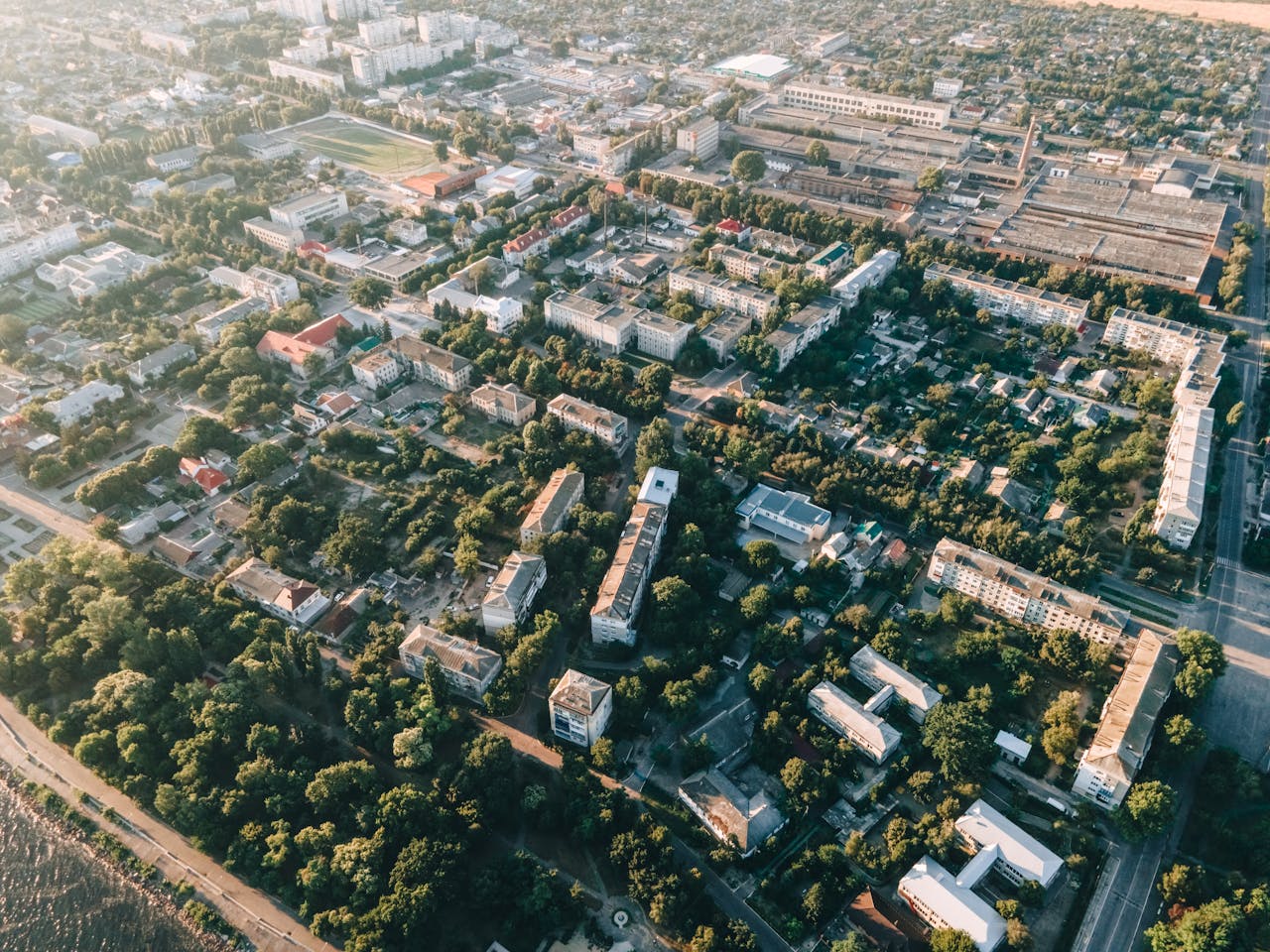

Why Sustainable Town Planning Matters for Fast-Growing South African Cities
Sustainable urban development has become one of the most important priorities for cities across South Africa. As populations continue to grow and more people move into urban areas, local governments face increasing pressure to provide housing, infrastructure, transportation, and public services. Without careful planning, rapid growth can place significant strain on communities and resources.
Many South African cities are already experiencing challenges linked to expansion, including traffic congestion, environmental degradation, inadequate service delivery, and pressure on available land. These issues can affect economic development, quality of life, and long-term sustainability if they are not managed effectively.
A key part of addressing these challenges is effective town planning, which helps guide growth in a way that balances development needs with environmental protection and social well-being. By creating structured frameworks for future development, cities can better prepare for continued population growth while maintaining livable and resilient communities.
Understanding Sustainable Urban Development
Sustainable urban development focuses on creating cities that can meet current needs without compromising the ability of future generations to meet theirs.
This approach considers economic growth, environmental protection, and social inclusion as interconnected goals. Rather than prioritizing short-term development, sustainable strategies aim to create long-lasting benefits for residents, businesses, and local governments.
In fast-growing cities, sustainable development helps ensure that infrastructure keeps pace with population growth while reducing negative impacts on natural resources and ecosystems.
When planning decisions are guided by sustainability principles, cities can become more efficient, resilient, and attractive places to live and work.
The Challenges Facing Fast-Growing South African Cities
Urbanisation continues to reshape South Africa’s major metropolitan areas.
As more people relocate to cities in search of employment, education, and improved opportunities, demand for land and services increases significantly. This growth can create several challenges when not managed properly.
Common issues include:
- Increased traffic congestion and longer commuting times.
- Pressure on water, electricity, and sanitation systems.
- Expansion of informal settlements.
- Loss of agricultural and environmentally sensitive land.
- Rising demand for affordable housing.
- Greater strain on public facilities and transportation networks.
These challenges can slow economic growth and reduce the quality of life for residents if city expansion occurs without clear direction.
The Role of Strategic Land Use Management
One of the most important elements of sustainable urban growth is effective land use management.
Carefully planned development helps ensure that residential, commercial, industrial, and recreational areas are located in appropriate places. This reduces conflicts between different land uses and supports efficient infrastructure investment.
Strategic development patterns can also reduce urban sprawl. When cities spread outward without proper coordination, infrastructure costs increase and valuable natural areas may be lost.
Compact and well-connected communities often provide better access to jobs, schools, healthcare facilities, and public transportation.
By encouraging smarter growth patterns, municipalities can make better use of limited resources while supporting future development goals.
Supporting Economic Growth Through Better Planning
Sustainable city development is not only about environmental protection.
It also plays an important role in supporting economic prosperity.
Businesses are more likely to invest in areas with reliable infrastructure, efficient transportation systems, and predictable development frameworks. Investors often seek locations where growth is carefully managed and long-term planning provides certainty.
Strong planning policies can help create opportunities for:
- New commercial developments.
- Industrial expansion.
- Infrastructure investment.
- Property development.
- Employment creation.
When cities function efficiently, businesses can operate more effectively and contribute to broader economic growth.
Protecting Environmental Resources
Environmental sustainability is a critical consideration for growing urban areas.
South Africa faces increasing pressures related to water availability, biodiversity conservation, and climate resilience. Poorly managed development can contribute to habitat destruction, pollution, and increased vulnerability to environmental risks.
Sustainable planning practices help identify environmentally sensitive areas that require protection.
This may include wetlands, river corridors, conservation zones, and agricultural land that supports food production.
Development frameworks can also encourage green spaces, urban parks, and environmentally responsible building practices that improve overall urban health.
Protecting natural resources today helps ensure their availability for future generations.
Creating More Livable Communities
The quality of urban life depends heavily on how cities are designed and managed.
Well-planned communities provide residents with access to essential services, recreational facilities, educational institutions, and employment opportunities.
In many cases, thoughtful town planning can improve connectivity between neighbourhoods while promoting safer and more accessible public spaces.
Walkable environments, efficient transport networks, and mixed-use developments can reduce travel times and enhance daily convenience.
These improvements contribute to stronger communities and better overall well-being.
Residents benefit when development is guided by long-term objectives rather than short-term pressures.
Building Resilience for Future Growth
Population growth is expected to continue across many South African urban centres.
Cities that fail to prepare for future demand may face increasing infrastructure backlogs and service delivery challenges.
Sustainable planning allows municipalities to anticipate future needs and allocate resources more effectively.
This forward-looking approach supports:
- Infrastructure expansion aligned with projected growth.
- Improved disaster preparedness.
- Better climate adaptation strategies.
- More efficient public service delivery.
- Stronger long-term financial planning.
Resilient cities are better equipped to respond to changing economic, environmental, and social conditions.
The Importance of Collaboration
Successful urban development requires cooperation among many stakeholders.
Government departments, property developers, businesses, infrastructure providers, environmental specialists, and community members all play important roles in shaping future growth.
Open communication and collaborative decision-making often lead to better outcomes.
When different perspectives are considered, development strategies can address a wider range of community needs while supporting sustainable objectives.
Inclusive planning processes also help build public trust and encourage long-term support for development initiatives.
Looking Ahead
As South Africa’s cities continue to expand, the need for sustainable development strategies will only become more important. Managing growth effectively requires a careful balance between economic opportunity, environmental stewardship, and social well-being.
Forward-thinking planning approaches help create urban environments that are productive, resilient, and capable of supporting future generations. By prioritising responsible land use, infrastructure investment, environmental protection, and community development, cities can navigate the challenges of rapid growth while creating lasting value for residents and businesses alike. Effective planning decisions made today will play a major role in shaping stronger, more sustainable urban centres for decades to come.