Search for:
Sustainable town planning supporting growth in South African cities

Why Sustainable Town Planning Matters for Fast-Growing South African Cities

Sustainable urban development has become one of the most important priorities for cities across South Africa. As populations continue to grow and more people move into urban areas, local governments face increasing pressure to provide housing, infrastructure, transportation, and public services. Without careful planning, rapid growth can place significant strain on communities and resources.

Many South African cities are already experiencing challenges linked to expansion, including traffic congestion, environmental degradation, inadequate service delivery, and pressure on available land. These issues can affect economic development, quality of life, and long-term sustainability if they are not managed effectively.

A key part of addressing these challenges is effective town planning, which helps guide growth in a way that balances development needs with environmental protection and social well-being. By creating structured frameworks for future development, cities can better prepare for continued population growth while maintaining livable and resilient communities.

Understanding Sustainable Urban Development

Sustainable urban development focuses on creating cities that can meet current needs without compromising the ability of future generations to meet theirs.

This approach considers economic growth, environmental protection, and social inclusion as interconnected goals. Rather than prioritizing short-term development, sustainable strategies aim to create long-lasting benefits for residents, businesses, and local governments.

In fast-growing cities, sustainable development helps ensure that infrastructure keeps pace with population growth while reducing negative impacts on natural resources and ecosystems.

When planning decisions are guided by sustainability principles, cities can become more efficient, resilient, and attractive places to live and work.

The Challenges Facing Fast-Growing South African Cities

Urbanisation continues to reshape South Africa’s major metropolitan areas.

As more people relocate to cities in search of employment, education, and improved opportunities, demand for land and services increases significantly. This growth can create several challenges when not managed properly.

Common issues include:

  1. Increased traffic congestion and longer commuting times.
  2. Pressure on water, electricity, and sanitation systems.
  3. Expansion of informal settlements.
  4. Loss of agricultural and environmentally sensitive land.
  5. Rising demand for affordable housing.
  6. Greater strain on public facilities and transportation networks.

These challenges can slow economic growth and reduce the quality of life for residents if city expansion occurs without clear direction.

The Role of Strategic Land Use Management

One of the most important elements of sustainable urban growth is effective land use management.

Carefully planned development helps ensure that residential, commercial, industrial, and recreational areas are located in appropriate places. This reduces conflicts between different land uses and supports efficient infrastructure investment.

Strategic development patterns can also reduce urban sprawl. When cities spread outward without proper coordination, infrastructure costs increase and valuable natural areas may be lost.

Compact and well-connected communities often provide better access to jobs, schools, healthcare facilities, and public transportation.

By encouraging smarter growth patterns, municipalities can make better use of limited resources while supporting future development goals.

Supporting Economic Growth Through Better Planning

Sustainable city development is not only about environmental protection.

It also plays an important role in supporting economic prosperity.

Businesses are more likely to invest in areas with reliable infrastructure, efficient transportation systems, and predictable development frameworks. Investors often seek locations where growth is carefully managed and long-term planning provides certainty.

Strong planning policies can help create opportunities for:

  • New commercial developments.
  • Industrial expansion.
  • Infrastructure investment.
  • Property development.
  • Employment creation.

When cities function efficiently, businesses can operate more effectively and contribute to broader economic growth.

Protecting Environmental Resources

Environmental sustainability is a critical consideration for growing urban areas.

South Africa faces increasing pressures related to water availability, biodiversity conservation, and climate resilience. Poorly managed development can contribute to habitat destruction, pollution, and increased vulnerability to environmental risks.

Sustainable planning practices help identify environmentally sensitive areas that require protection.

This may include wetlands, river corridors, conservation zones, and agricultural land that supports food production.

Development frameworks can also encourage green spaces, urban parks, and environmentally responsible building practices that improve overall urban health.

Protecting natural resources today helps ensure their availability for future generations.

Creating More Livable Communities

The quality of urban life depends heavily on how cities are designed and managed.

Well-planned communities provide residents with access to essential services, recreational facilities, educational institutions, and employment opportunities.

In many cases, thoughtful town planning can improve connectivity between neighbourhoods while promoting safer and more accessible public spaces.

Walkable environments, efficient transport networks, and mixed-use developments can reduce travel times and enhance daily convenience.

These improvements contribute to stronger communities and better overall well-being.

Residents benefit when development is guided by long-term objectives rather than short-term pressures.

Building Resilience for Future Growth

Population growth is expected to continue across many South African urban centres.

Cities that fail to prepare for future demand may face increasing infrastructure backlogs and service delivery challenges.

Sustainable planning allows municipalities to anticipate future needs and allocate resources more effectively.

This forward-looking approach supports:

  • Infrastructure expansion aligned with projected growth.
  • Improved disaster preparedness.
  • Better climate adaptation strategies.
  • More efficient public service delivery.
  • Stronger long-term financial planning.

Resilient cities are better equipped to respond to changing economic, environmental, and social conditions.

The Importance of Collaboration

Successful urban development requires cooperation among many stakeholders.

Government departments, property developers, businesses, infrastructure providers, environmental specialists, and community members all play important roles in shaping future growth.

Open communication and collaborative decision-making often lead to better outcomes.

When different perspectives are considered, development strategies can address a wider range of community needs while supporting sustainable objectives.

Inclusive planning processes also help build public trust and encourage long-term support for development initiatives.

Looking Ahead

As South Africa’s cities continue to expand, the need for sustainable development strategies will only become more important. Managing growth effectively requires a careful balance between economic opportunity, environmental stewardship, and social well-being.

Forward-thinking planning approaches help create urban environments that are productive, resilient, and capable of supporting future generations. By prioritising responsible land use, infrastructure investment, environmental protection, and community development, cities can navigate the challenges of rapid growth while creating lasting value for residents and businesses alike. Effective planning decisions made today will play a major role in shaping stronger, more sustainable urban centres for decades to come.

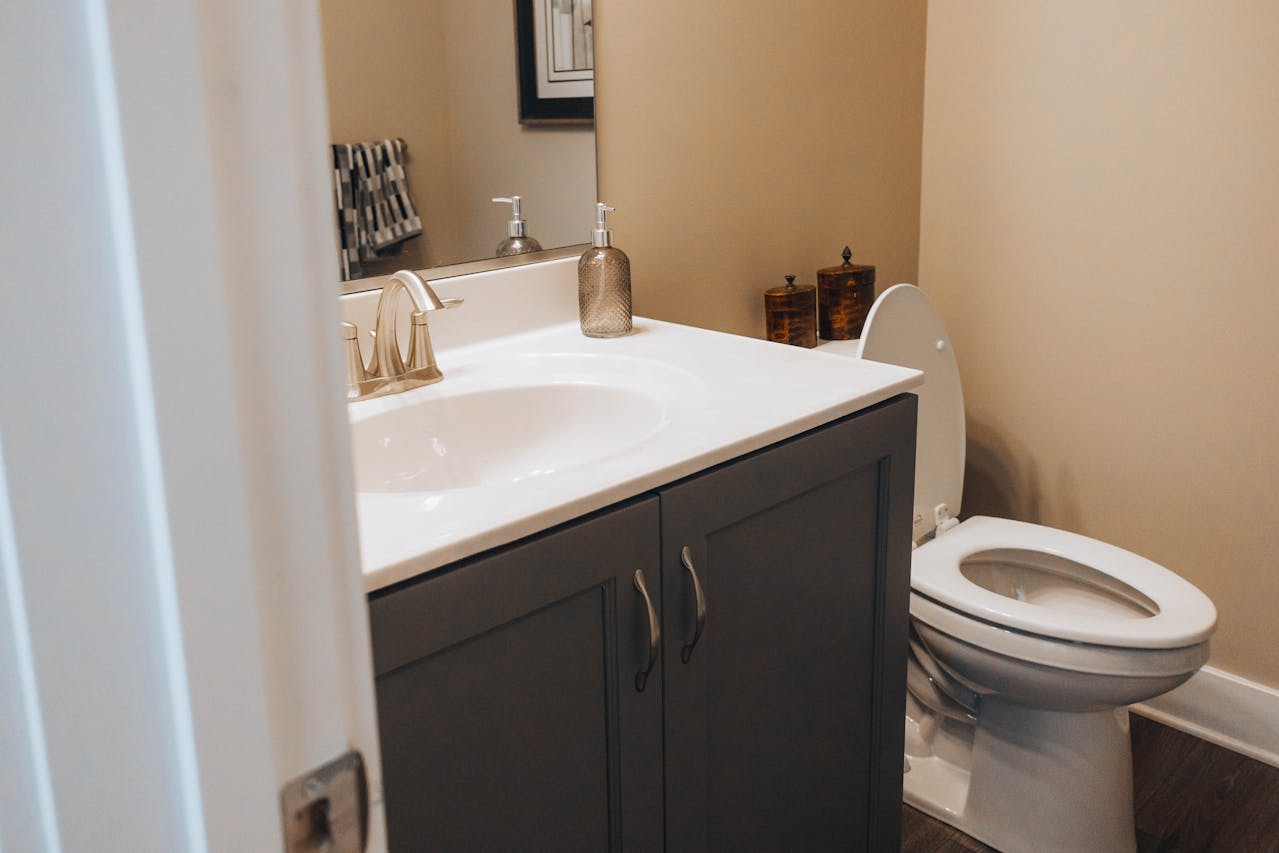
Modern plumbing system installation in a new Randburg home

Randburg Plumbing Installations: Modern Systems for New Homes

Randburg plumbing installations are becoming increasingly sophisticated as new homes demand higher efficiency, better water management, and long-term system reliability. Homeowners in rapidly developing suburbs are no longer satisfied with basic plumbing setups; instead, they expect integrated systems that support modern appliances, sustainability goals, and future maintenance ease.

In Randburg and surrounding areas, new residential developments are designed with more forward-thinking infrastructure. This shift is partly driven by rising water costs, stricter building standards, and growing awareness of water conservation. As a result, plumbing systems are now a core part of architectural planning rather than an afterthought.

Understanding how modern plumbing works in new homes is essential for homeowners, builders, and property developers. Poor installation decisions can lead to long-term issues such as leaks, pressure problems, or inefficient water heating systems. That is why careful planning and professional execution matter from the very beginning.

Modern Plumbing Systems in New Residential Developments

New homes are no longer built with outdated piping methods or basic layouts. Instead, modern plumbing systems are designed for performance, durability, and adaptability. In Randburg, new builds often incorporate advanced pipe materials like PEX and copper alternatives, which reduce corrosion risk and improve water flow consistency.

In addition, plumbing layouts are now planned in a way that minimizes pressure loss and improves energy efficiency. Water heating systems, for example, are often integrated with solar or heat pump technologies to reduce electricity consumption.

Another important shift is zoning within homes. Kitchens, bathrooms, and laundry areas are often grouped strategically to reduce pipe length and improve maintenance access. This makes future repairs less invasive and more cost-effective.

Professional planning plays a major role in ensuring that systems function efficiently from day one. Poor layout design can lead to unnecessary strain on pipes and appliances, reducing system lifespan significantly.

Planning Considerations for New Home Plumbing Systems

Before installation begins, proper planning is essential to avoid long-term complications. Builders and homeowners should consider both current household needs and potential future expansion.

Modern plumbing design typically involves a detailed assessment of water demand, fixture placement, and pressure regulation. This ensures that the system can handle simultaneous usage without performance issues.

When working with Randburg plumbing installations, professionals often evaluate several key factors:

  1. Household water consumption patterns and peak usage times
  2. Pipe routing efficiency to minimize heat and pressure loss
  3. Compliance with local building codes and safety standards
  4. Future-proofing for additional bathrooms or appliances
  5. Integration with energy-efficient heating systems

Each of these elements contributes to a more reliable and sustainable plumbing infrastructure. Skipping any of these steps can lead to costly redesigns later.

Material selection is another critical decision. Modern homes benefit from materials that resist scaling, corrosion, and temperature fluctuations. This helps ensure consistent performance over many years.

Water Efficiency and Sustainable Plumbing Design

Sustainability has become a major focus in residential plumbing design. Water scarcity concerns in South Africa have encouraged homeowners to adopt more efficient systems that reduce waste and improve reuse.

Modern homes often include low-flow fixtures, dual-flush toilets, and pressure-balancing systems. These features significantly reduce water consumption without compromising performance.

Rainwater harvesting systems are also increasingly common. Collected rainwater can be used for irrigation, toilet flushing, and even laundry in some cases. Greywater recycling systems further enhance water efficiency by reusing lightly used water from showers and basins.

Energy efficiency is equally important. Solar geysers and heat pump systems are now widely installed in new developments, reducing reliance on traditional electricity-heavy water heating methods.

Proper installation is critical for these systems to function correctly. Incorrect setup can lead to contamination risks, inefficiency, or system failure.

Common Installation Challenges in New Homes

Even with modern planning, plumbing installations can face challenges during construction. Coordination between different building trades is often a key issue, especially when timelines are tight.

Another common issue is incorrect pipe sizing. If pipes are too small, water pressure suffers. If they are too large, water stagnation can occur, leading to inefficiency and potential hygiene concerns.

Temperature fluctuations in Randburg can also affect plumbing systems if materials are not properly selected or insulated. Expansion and contraction of pipes over time may lead to leaks if not accounted for during installation.

Water pressure regulation is another area where problems often arise. Without proper balancing, certain fixtures may receive too much or too little pressure, affecting usability and system longevity.

Importance of Professional Installation Standards

High-quality plumbing systems depend heavily on professional workmanship. Certified plumbers follow strict standards to ensure safety, compliance, and durability.

Proper installation includes pressure testing, leak detection, and system flushing before final handover. These steps are essential for identifying hidden faults that could become major issues later.

In addition, professionals ensure compliance with local regulations and building codes. This is especially important in new developments where inspections are required before occupancy approval is granted.

Maintenance and Long-Term System Performance

Even the best plumbing systems require ongoing maintenance to remain efficient. Regular inspections help detect early signs of wear, corrosion, or blockages.

Homeowners should pay attention to water pressure changes, slow drainage, or unusual sounds in pipes. These can be early indicators of underlying issues.

Routine maintenance tasks typically include:

  • Checking for hidden leaks in walls or under floors
  • Cleaning drain lines to prevent blockages
  • Inspecting geysers and water heaters for sediment buildup
  • Testing water pressure regulators for consistency
  • Ensuring outdoor drainage systems are clear of debris

Preventive maintenance reduces repair costs and extends system lifespan significantly. It also helps maintain water efficiency, which is increasingly important in modern households.

Choosing the Right Plumbing Approach for Modern Homes

Selecting the right plumbing approach for a new home requires balancing cost, efficiency, and long-term reliability. While cheaper installations may seem appealing initially, they often result in higher maintenance expenses over time.

Homeowners should prioritize quality materials, proper system design, and skilled installation. This ensures that the plumbing infrastructure supports both current needs and future upgrades.

Modern systems are not just about functionality—they also contribute to sustainability, comfort, and property value. A well-designed plumbing system can significantly enhance the livability of a home while reducing long-term operational costs.

As housing developments continue to expand in Randburg, the demand for advanced plumbing solutions will keep growing. Careful planning and professional execution remain the foundation of reliable home water systems.

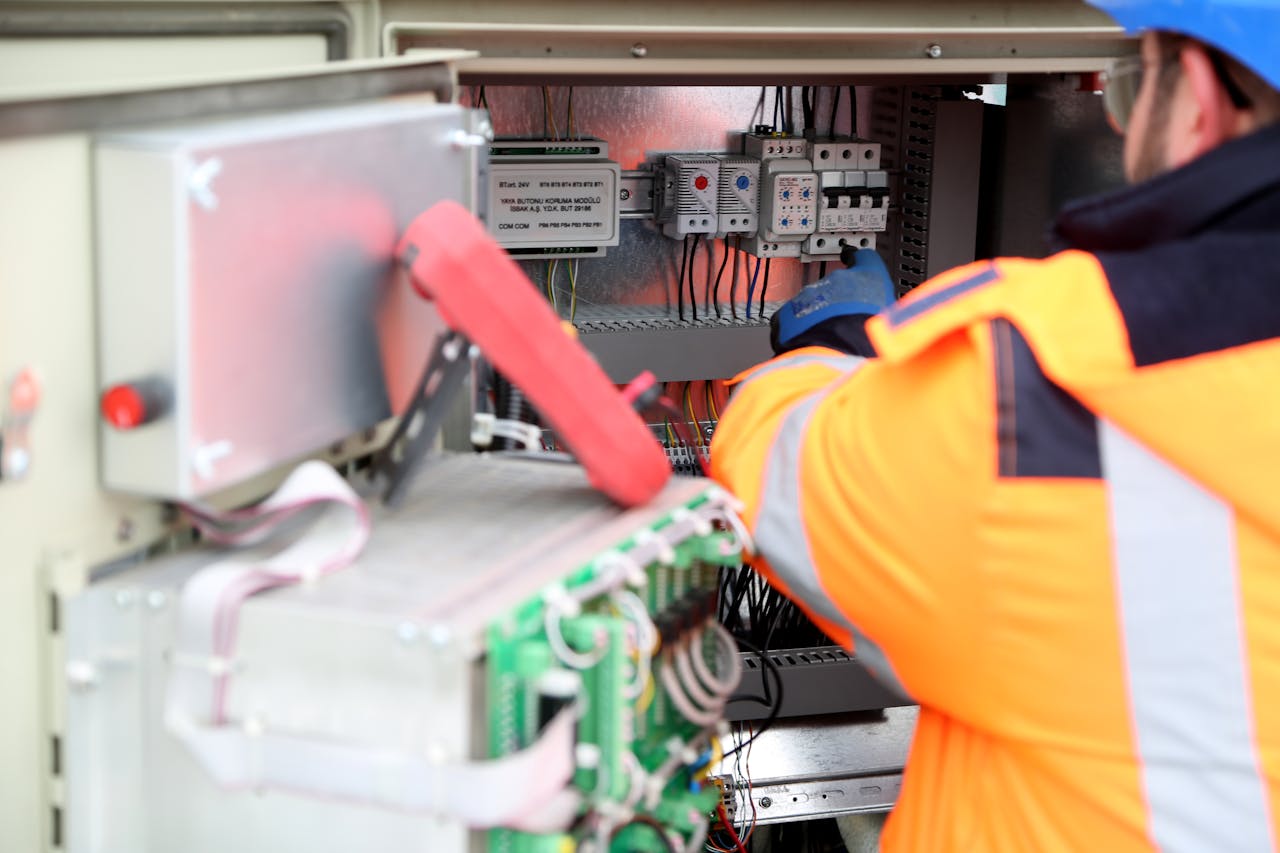
Electrician issuing Certificate of Compliance during property sale inspection

What a COC Electrician Is Responsible for in South African Property Sales

In South Africa’s property market, compliance and safety are non-negotiable. Buyers want assurance, sellers want a smooth transfer, and legal professionals need everything documented correctly. One key requirement that often determines whether a sale proceeds without delays is the electrical compliance certificate.

A qualified COC electrician plays a central role in this process, ensuring that a property’s electrical installation meets regulatory standards before ownership changes hands. Without proper certification, a sale can stall or even collapse, making this step far more than just a technical formality.

Understanding what this professional is responsible for helps both buyers and sellers avoid costly surprises. It also clarifies why electrical compliance is treated as a legal obligation rather than a recommendation in property transactions.

Understanding the Legal Role in Property Transfers

Electrical compliance is governed by strict national regulations. Before a property can be transferred, the seller must provide a valid certificate confirming that the electrical system is safe and compliant.

This is where the COC electrician becomes essential. Their role is not simply to “check a few wires.” Instead, they conduct a thorough inspection aligned with the Occupational Health and Safety Act and relevant electrical installation regulations.

They act as an independent, qualified authority. Their findings carry legal weight. If something is signed off incorrectly, accountability rests with them.

Conducting a Comprehensive Electrical Inspection

The first major responsibility involves a detailed inspection of the entire electrical installation. This is not a surface-level assessment.

Every critical component is evaluated for safety and compliance.

  • Distribution boards are checked for correct labeling and safe configuration
  • Wiring systems are assessed for damage, wear, or improper installation
  • Earth leakage units are tested to ensure they function correctly
  • Socket outlets and switches are examined for faults or hazards
  • Bonding and earthing systems are verified for compliance

This process ensures that hidden risks are identified before they become dangerous or legally problematic.

It also protects the buyer from inheriting unsafe conditions that could lead to electrical failures or fire hazards.

Identifying Faults and Non-Compliance Issues

Inspection alone is not enough. The electrician must clearly identify anything that does not meet regulatory standards.

Common issues include outdated wiring, overloaded circuits, or incorrect installations done during renovations. Even minor deviations can render a system non-compliant.

The electrician documents these findings in detail. This report becomes the foundation for any corrective work that needs to be completed before certification can be issued.

In many cases, sellers are surprised by how small faults can impact compliance. Something as simple as a missing cover plate or incorrect circuit labeling can delay certification.

Recommending and Performing Necessary Repairs

Once issues are identified, the next responsibility involves addressing them. Some electricians only inspect and report, while others are qualified to carry out the repairs themselves.

Either way, the property must be brought up to standard before a certificate can be issued.

  • Faulty wiring may need replacement or rerouting
  • Distribution boards might require upgrades or reconfiguration
  • Earthing systems often need correction to meet safety requirements
  • Old components may need to be replaced with compliant alternatives

This stage is crucial. It ensures that compliance is not just theoretical but fully implemented in the physical system.

It also gives buyers confidence that the property they are purchasing is electrically sound.

Issuing the Electrical Certificate of Compliance

After all inspections and necessary repairs are completed, the electrician can issue the Certificate of Compliance.

This document confirms that the installation meets all legal safety standards at the time of inspection.

It is not a casual sign-off. The certificate includes detailed information about the property, the scope of the inspection, and the electrician’s credentials.

Once issued, it remains valid for a defined period, provided no changes are made to the electrical system. Any alterations, such as renovations or additions, may require a new certificate.

For property transfers, this document is mandatory. Without it, registration cannot proceed.

Ensuring Accountability and Legal Protection

The responsibility of a COC electrician extends beyond technical work. There is a strong legal dimension to their role.

They are accountable for the accuracy of the certificate. If an installation later proves to be unsafe due to negligence or oversight, they may face legal consequences.

This accountability protects all parties involved.

Sellers are safeguarded from future claims once a valid certificate is issued. Buyers gain peace of mind knowing the system has been professionally assessed. Conveyancers can proceed with confidence that legal requirements have been met.

Supporting Smooth Property Transactions

Delays in property transfers are often linked to compliance issues. Electrical certification is one of the most common bottlenecks.

By engaging a qualified electrician early in the process, sellers can avoid last-minute complications. Inspections can be completed well before the transfer date, allowing time for any necessary repairs.

This proactive approach reduces stress and keeps the transaction on track.

It also strengthens trust between buyers and sellers. Transparency around compliance builds confidence and minimizes disputes.

Understanding Limitations of the Certification

While the certificate confirms compliance at the time of inspection, it does not guarantee future performance.

Electrical systems can deteriorate over time. New faults may develop, especially in older properties.

Buyers should understand that the certificate reflects a snapshot in time. It does not replace ongoing maintenance or future inspections.

That said, it provides a critical baseline. It confirms that, at the point of sale, the installation met all required safety standards.

Choosing a Qualified and Registered Professional

Not all electricians are authorized to issue compliance certificates. Only those who are properly registered and accredited can perform this role.

Working with an unqualified individual can lead to invalid certification, which creates legal risks and delays.

It is essential to verify credentials before proceeding. A legitimate professional will have the necessary registration and be able to provide proof upon request.

Experience also matters. Property transactions come with tight timelines and high stakes, so working with someone familiar with the process can make a significant difference.

Why This Role Matters More Than Many Expect

Electrical compliance is often underestimated until it becomes a problem. Yet it sits at the intersection of safety, legality, and financial risk.

A skilled electrician does more than tick boxes. They ensure that a property is safe for occupation, compliant with national regulations, and ready for transfer without complications.

In the context of South African property sales, their role is both technical and legal. It is a responsibility that directly impacts the success of the transaction and the safety of the people who will live in the space.

Understanding this role allows buyers and sellers to approach the process with clarity, avoid unnecessary delays, and ensure that every aspect of the transaction is handled correctly from the start.

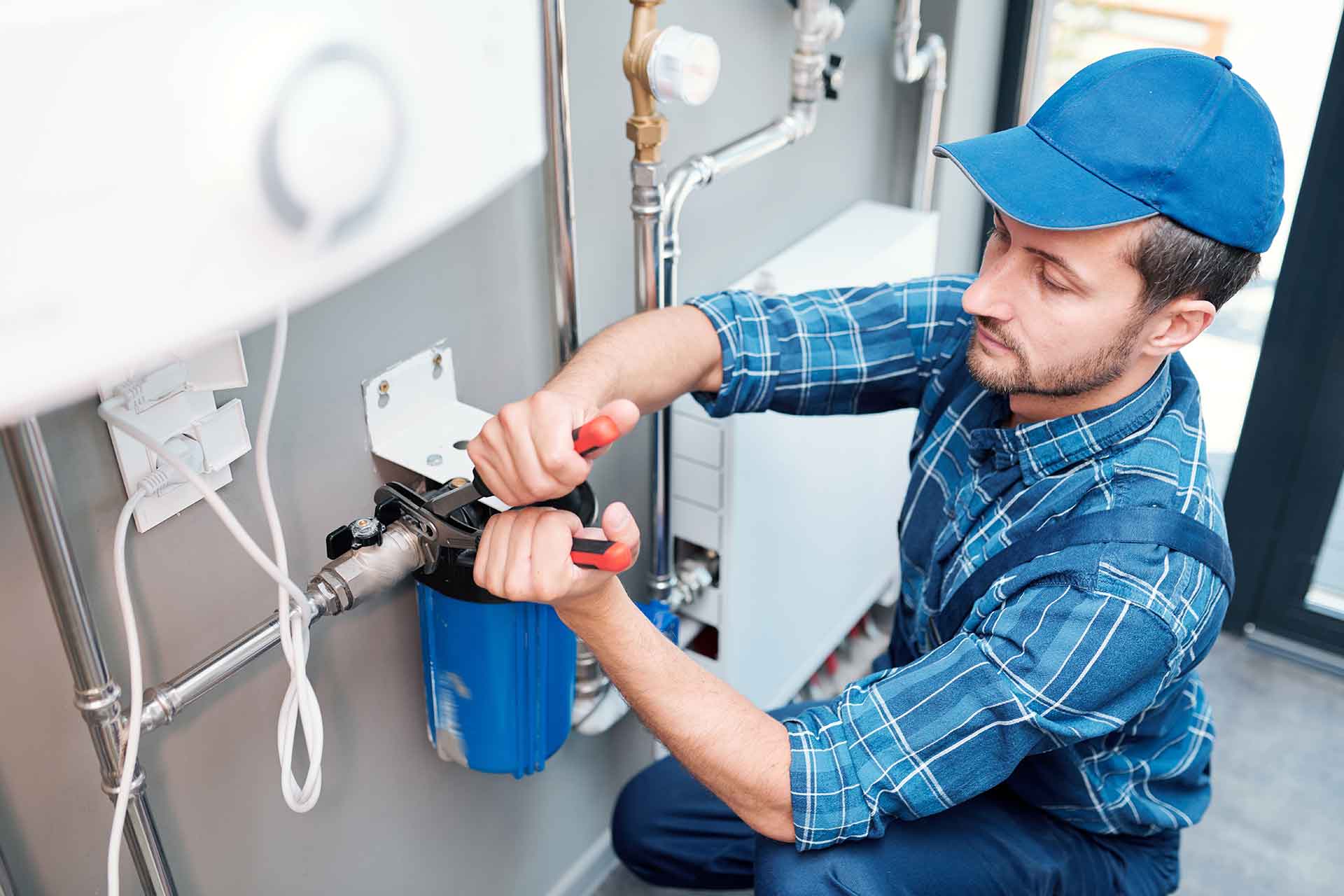
Randburg plumber using modern plumbing tools

Sustainable Plumbing Ideas That Lower Bills and Waste

The world of home plumbing has evolved dramatically over the past decade, moving beyond simple pipes and faucets to incorporate technology, efficiency, and design. Homeowners today expect more than just functionality; they are looking for systems that enhance comfort, save resources, and integrate seamlessly with modern lifestyles. This shift has pushed plumbing professionals to innovate, adopting trends that were once considered futuristic. As technology becomes more accessible, the way we approach plumbing in residential spaces is transforming, offering both practical benefits and a touch of luxury.

Modern plumbing trends are not just about convenience—they reflect a growing awareness of sustainability and long-term cost savings. Smart home devices, for instance, allow homeowners to monitor water usage in real time, detect leaks before they become disasters, and even control systems remotely. These innovations are particularly appealing to those looking to reduce utility bills and environmental impact simultaneously. The integration of technology in everyday plumbing has created opportunities for homes to be more responsive, adaptive, and efficient than ever before.

For homeowners in Randburg, staying updated with these trends is essential. Local experts, such as Randburg plumbers, are increasingly offering services that combine technical expertise with the latest in eco-friendly solutions. Understanding which upgrades provide real value and which are merely aesthetic trends can save time and money. Professionals in the field are now guiding homeowners toward innovations that not only improve system performance but also enhance comfort, convenience, and safety.

Smart Home Integration for Plumbing Systems

One of the most significant shifts in residential plumbing is the integration of smart technology. Sensors, automated valves, and water usage monitors are becoming standard in new builds and renovations. These devices provide real-time alerts for leaks, pressure changes, or unusual consumption patterns, helping prevent costly damage and water waste.

  • Smart faucets and shower systems allow precise temperature control and even voice-activated operation.

  • Leak detection sensors can automatically shut off water in case of emergencies, protecting floors and walls from damage.

For homeowners, this means less stress and more control. Local specialists, including Randburg plumbers, are skilled in installing and maintaining these systems, ensuring that technology works reliably and integrates seamlessly with existing plumbing infrastructure.

Eco-Friendly Solutions for Sustainable Living

Sustainability is no longer optional in modern plumbing. Water-saving devices, recycled materials, and energy-efficient heating systems are among the solutions transforming homes. Eco-conscious homeowners are increasingly interested in reducing their environmental footprint without sacrificing comfort or style.

  • Low-flow faucets and toilets conserve water without compromising performance.

  • Tankless water heaters provide instant hot water while reducing energy consumption significantly.

These innovations align with global sustainability goals and provide practical benefits, such as lower utility bills and reduced maintenance. Professionals who stay updated on these trends can offer solutions tailored to both modern living and environmental responsibility.

High-Performance Materials and Fixtures

Advances in materials science have reshaped the options available for residential plumbing. PEX piping, corrosion-resistant metals, and durable composite materials now compete with traditional copper and PVC. These materials provide longer lifespans, better performance, and less maintenance over time.

Homeowners can also explore stylish fixtures that blend form and function. From minimalist faucets to sophisticated shower panels, the emphasis is on aesthetics without compromising efficiency. Expert guidance from local Randburg plumbers ensures that selections are compatible with existing systems and that installations meet safety standards.

Enhanced Water Quality and Filtration

Another growing trend is the focus on water quality. Modern plumbing isn’t just about delivering water; it’s about providing clean, safe, and enjoyable water throughout the home. Advanced filtration systems remove contaminants, improve taste, and reduce the need for bottled water.

  • Whole-house filters ensure consistent water quality across every faucet and showerhead.

  • Targeted point-of-use systems allow homeowners to address specific concerns, such as hard water or heavy metals.

These systems are increasingly popular among health-conscious families and those invested in long-term home wellness. Proper installation and maintenance by experienced plumbers are crucial to ensure optimal performance.

Future-Proofing Homes with Innovative Designs

Homeowners are no longer satisfied with reactive solutions; they want proactive, future-ready plumbing. Modular systems, flexible piping layouts, and integrated smart monitoring allow for easier upgrades and repairs. This forward-thinking approach reduces disruption during renovations and increases the overall lifespan of the plumbing system.

Trends such as water recirculation loops, gray water reuse, and energy-efficient heating systems are reshaping expectations. With guidance from knowledgeable Randburg plumbers, homeowners can invest in systems that combine innovation, reliability, and adaptability.

The Role of Technology in Maintenance

Maintenance has also been revolutionized by technology. Mobile apps, cloud-connected sensors, and predictive analytics help homeowners anticipate problems before they become emergencies. These tools reduce downtime, improve system longevity, and provide peace of mind.

  • Remote monitoring allows users to check water usage, detect leaks, and adjust settings from anywhere.

  • Predictive maintenance alerts indicate when components may need replacement, avoiding costly breakdowns.

The combination of technology and expert craftsmanship ensures that modern plumbing systems perform efficiently and reliably for years.

The evolution of residential plumbing is remarkable, blending smart technology, eco-conscious design, and advanced materials to create homes that are both comfortable and sustainable. By staying informed about these trends, homeowners can make decisions that enhance their living spaces, save resources, and protect property value. Skilled professionals, such as Randburg plumbers, are key partners in this process, guiding homeowners toward solutions that are innovative, reliable, and future-ready. Embracing these trends ensures that plumbing is no longer just a utility but an integral part of a modern, efficient, and sustainable home.

subdivide

Navigating Property Subdivision in South Africa: Significance, Steps, and Legal Landscape

Property subdivision is an imperative part of land improvement, especially in a different and dynamic nation like South Africa. In this article, we will dig into the complexities of property subdivision, investigating its importance, the cycle in question, and its effect on the land scene in South Africa.

Grasping Subdivision: A Breakdown

What is Subdivision?

Subdivision, with regards to land, alludes to the division of a bigger part of property into more modest, individual bits. This training empowers landowners to boost the capability of their property by making various bundles, each with its own unmistakable possession privileges. Subdivided properties can be grown independently or sold exclusively, opening up open doors for expanded speculation and advancement.

The Subdivision Cycle

The subdivision cycle includes different legitimate, administrative, and viable moves toward guarantee a consistent change from a solitary package of land to numerous units. In South Africa, the cycle starts with getting the fundamental endorsements from neighborhood specialists and complying with drafting and land use guidelines. These guidelines fluctuate by region and are intended to guarantee that the subdivision lines up with the generally speaking metropolitan preparation and advancement objectives.

Partitioning Property in South Africa

The Meaning of Subdivision in South Africa

South Africa’s assorted geology and developing populace have added to the rising interest for lodging and advancement. Property subdivision assumes a pivotal part in satisfying this need by giving chances to make reasonable lodging units, business spaces, and blended use improvements. Additionally, it advances productive land use, assisting with tending to never-ending suburbia and blockage.

Exploring the Legitimate Scene

Partitioning property in South Africa includes legitimate complexities that property proprietors and engineers should explore. From consenting to the Spatial Preparation and Land Use The executives Act to getting the fundamental grants and clearances, the interaction requires an extensive comprehension of nearby regulations and guidelines. Connecting with lawful specialists is vital to guarantee a smooth and legitimately consistent subdivision.

The Subdivision Cycle: Bit by bit

Stage 1: Plausibility Study

Prior to setting out on a subdivision project, an exhaustive plausibility study is led. This study evaluates factors like the property’s size, area, geography, and potential market interest. It likewise thinks about foundation necessities and natural effect appraisals.

Stage 2: Application and Endorsements

When the plausibility study is finished, the property proprietor or designer presents an application to the nearby region or administering authority. This application incorporates definite plans, overviews, and records illustrating the proposed subdivision. Endorsement cycles might take time, as they include surveys by different offices, including metropolitan preparation, natural administration, and designing.

Stage 3: Foundation Improvement

Subsequent to getting the fundamental endorsements, framework improvement starts. This incorporates developing streets, utilities, and different conveniences expected for the new subdivided packages. Legitimate foundation upgrades the worth of the properties and guarantees they are reasonable for improvement.

Stage 4: Bundle Creation

When the framework is set up, the property is genuinely separated into more modest packages as indicated by the supported plans. Each package is doled out a novel identifier and is enrolled as a singular property.

Stage 5: Consistence and Title Enrollment

Before the subdivided properties can be sold or created, they should conform to every single applicable guideline and get last investigations. Whenever consistence is affirmed, the properties’ titles are enlisted with the fitting specialists, and proprietorship is moved to the new proprietors.

End

In South Africa, property subdivision fills in as an impetus for metropolitan turn of events and financial development. By boosting land use, giving lodging arrangements, and sticking to lawful and administrative structures, the cycle contributes altogether to the country’s land scene. As the nation keeps on advancing, property subdivision will stay a fundamental instrument for satisfying the needs of a unique society and cultivating practical turn of events.

Subdivision, subdivide, subdivision of property, subdivide property, and South Africa – these catchphrases are flawlessly woven all through the article to guarantee greatest Website design enhancement advancement and intelligibility, lining up with the mentioned boundaries. The exhaustive investigation of property subdivision in South Africa, its importance, cycle, and legalities, meets the necessities of the brief while offering significant bits of knowledge to perusers.

construction office furniture

Space-Saving Solutions: Optimizing Productivity with Construction Office Furniture

A well-crafted and practical office setting holds paramount importance for any construction firm. The appropriate office furnishings not only add to the visual appeal of the workspace but also play a pivotal role in boosting efficiency and employee contentment. Within the construction sector, where efficacy and methodicalness are of the essence, investing in fitting office furnishings tailored for construction purposes emerges as a judicious choice. This article delves into the significance of making astute selections concerning office furniture for construction enterprises, as well as the pivotal factors to weigh when opting for the optimal pieces to grace your office area.

Ergonomic Ease for Prolonged Work Periods

Office furnishings designed with an emphasis on ergonomics stand as a requisite for the comfort and welfare of staff members engaged in lengthy desk-bound tasks. Ergonomic seating, furnished with adaptable attributes, endorse proper posture, thereby diminishing the odds of back discomfort and unease. Moreover, desks that can be adjusted for height facilitate adaptability, enabling personnel to alternate between seated and upright positions, thereby enhancing blood circulation and concentration.

Effective Exploitation of Space

The dimensions of construction office spaces can substantially differ, and the proficient utilization of available space assumes pivotal significance in optimizing productivity. Opt for office furnishings that are compact and space-conserving, such as modular desks and storage resolutions. Tailorable furniture pieces can be fashioned to correspond with specific office arrangements, warranting the efficient use of every nook and cranny.

Resilient and Top-Notch Materials

The construction domain is synonymous with its rigorous setting, and this very attribute extends to office furniture. The selection of robust and superior-grade materials becomes paramount to withstand the rigors of daily utilization. Stalwart elements like solid wood, steel, or laminate offer endurance, assuring that your office furniture remains in impeccable condition for years on end.

Well-Ordered Storage Resolutions

A clutter-laden office environment can prove detrimental to efficiency and foster exasperation. Sufficient and systematically organized storage remedies are indispensable for maintaining a pristine and functional workspace. Ponder over filing cabinets, shelves, and storage modules that present ample room for the orderly storage of documents, supplies, and equipment. By ensuring all necessities are within easy reach, employees can toil more efficiently and concentrate on tasks of import.

Aesthetic Allure and Brand Projection

Office furnishings contribute substantially to the overarching aesthetic charm of your work milieu. The choice of furniture that harmonizes with the branding and design theme of your construction venture gives rise to a congruous and polished ambience. Furthermore, a visually appealing office space can generate a favorable impression on clients, fortifying your brand’s identity and dedication to excellence.

Spaces Promoting Collaboration

Collaboration is an indispensable facet within the realm of construction, and judiciously selected office furniture can be a catalyst for team camaraderie and ingenuity. Reflect upon integrating collaborative spaces, such as communal tables or breakout zones, where team members can convene for brainstorming sessions or informal dialogues. These zones facilitate communication and the exchange of ideas, ultimately contributing to the triumphant fruition of projects.

Conclusion

Appropriate construction office furniture tailored for construction settings can yield a marked difference in the formulation of an efficient, cozy, and orderly workspace for your construction enterprise. By giving precedence to ergonomic ease, space-efficient utilization, and top-tier materials, you establish an environment that amplifies efficiency and employee welfare.

In the construction sector, where precision and utility reign supreme, investing in long-lasting and adaptable furnishings guarantees the perpetuation of an organized and polished office milieu. By incorporating storage solutions and spaces that foster collaboration, you nurture an ambiance that champions teamwork and originality, culminating in advantages for your projects and patrons.

When making selections regarding construction office furnishings, factor in the distinct requisites and demands of your enterprise. Hunt for furniture pieces that complement your brand’s identity, align with your office configuration, and mirror the professionalism of your construction venture. With the apt office furnishings, you bestow your personnel with the instruments they need to excel in their roles and contribute to the accomplishments of your undertakings.

handyman services

Home Repair Made Easy: A Guide to Hiring the Best Service Provider

When it pertains to preserving and enhancing your house, discovering the ideal assistance is important. Whether it’s repairing a leaking faucet, restoring a hole in the wall, or dealing with more comprehensive remodellings, you’ll wish to guarantee that you work with the right specialists for the task. In today’s world, there is no lack of handyman services and house repair work services offered, however choosing the ideal one can be a difficult job. To make a notified choice, you require to think about different elements, from the handyman services they provide to their track record and rates. In this short article, we will check out the essential elements of picking the ideal house repair work provider to guarantee your house tasks are finished to your fulfillment.

Define Your Needs

Before you start your look for a house repair work provider, it’s important to determine the particular requirements of your task. Are you trying to find a basic handyman to deal with a range of little jobs around your house, or do you need customized services such as pipes, electrical work, or woodworking? Knowing precisely what you require will assist you limit your search and discover a service provider with the ideal competence.

Research and Recommendations

Once you have actually specified your requirements, it’s time to begin your research study. Begin by looking for suggestions from buddies, household, and next-door neighbors who have actually just recently had actually house repair work done. Their first-hand experiences can supply important insights into the quality of service supplied by various service providers. Additionally, you can check out online evaluation platforms and sites that note regional handyman and house repair work services. Pay very close attention to evaluations and rankings to determine the track record of each supplier.

Check Credentials and Insurance

Before delegating your house to a company, it’s important to confirm their qualifications and insurance coverage. Ensure that they have the needed licenses and accreditations for the kind of work they carry out. Licensing requirements differ by place and the nature of the task, so it is necessary to contact your regional authorities. Furthermore, request for evidence of insurance coverage, consisting of liability and employees’ settlement protection. This is crucial to safeguard yourself and your house in case of mishaps or damages throughout the task.

Get Multiple Quotes

Don’t go for the very first house repair work provider you discover. Instead, demand quotes from numerous prospects. A reliable supplier must want to supply a comprehensive written quote that details the scope of work, products, labor expenses, and a timeline for conclusion. Comparing quotes will not just assist you get a much better concept of the reasonable market value for your task however likewise offer you insights into the professionalism and openness of each supplier.

Check References

One of the most efficient methods to evaluate the quality of a house repair work provider’s work is by examining their referrals. Ask the supplier for a list of previous customers who can attest their services. Contact these referrals and ask about their experiences, the quality of work carried out, and whether the supplier satisfied their expectations. It’s a trustworthy method to get insights into what you can get out of the supplier you are thinking about.

Evaluate Communication and Professionalism

Effective interaction is essential to an effective house repair work task. Pay attention to how responsive and mindful a company is throughout the preliminary phases of your interaction. Are they trigger in returning calls or e-mails? Do they address your concerns plainly and supply comprehensive descriptions? Assessing their interaction abilities and professionalism can assist you identify if they are most likely to be dependable and simple to deal with throughout the task.

Conclusion

Choosing the ideal house repair work provider is an essential choice that can considerably affect the result of your house enhancement tasks. By specifying your requirements, carrying out comprehensive research study, examining qualifications, getting numerous quotes, examining referrals, and assessing interaction and professionalism, you can make an educated option. Remember that the objective is not simply to discover the most inexpensive alternative however to choose a service provider who can provide premium work and guarantee your house remains in safe hands. Taking the time to discover the ideal fit will eventually conserve you time, cash, and tension in the long run, guaranteeing your house repair work are finished to your fulfillment.

emergency plumbers near me

Mastering DIY Plumbing: Tips to Keep Your Home Pipes Problem-Free

When it pertains to keeping a well-functioning home, among the most vital elements to think about is your pipes system. From dripping faucets to blocked drains pipes, typical pipes issues can interrupt your day-to-day regimen and trigger a good deal of hassle. To prevent the tension of looking for “emergency plumbers near me” at the last minute, it’s necessary to be proactive in avoiding pipes concerns. In this short article, we’ll check out a few of the most widespread home pipes issues and provide important suggestions on how to avoid them or if you require emergency plumbers near me. By taking a proactive method, you can conserve both money and time without discovering emergency situation plumbings near me while guaranteeing that your pipes system runs efficiently.

Leaky Faucets and Fixtures

One of the most typical pipes concerns in families is dripping faucets or components. A leaking faucet might appear like a small issue, however it can cause substantial water waste with time. The consistent leaking not just increases your water expense however likewise adds to unneeded ecological stress. To avoid this problem, frequently check faucets and components for leakages. If you observe any leaking, change damaged washers or seals quickly. This basic upkeep job can conserve you cash and save water.

Clogged Drains

Clogged drains pipes are another regular pipes issue that can interrupt your day-to-day regimen. The perpetrators behind blockages are typically built up hair, soap residue, food particles, or grease. To avoid blockages, purchase drain screens or strainers to capture particles before it enters your pipelines. Regularly tidy and preserve these screens. Additionally, beware about what decreases the drain. Avoid dealing with big food particles or grease in the cooking area sink, and utilize a drain snake or plunger to clear small blockages before they end up being a more substantial problem.

Running Toilets

A running toilet is not just irritating however can likewise cause a substantial boost in your water expense. This problem usually happens when the flapper valve or the fill valve in the toilet tank is malfunctioning. To avoid this issue, occasionally check the parts within the toilet tank. If you hear constant running water, jerking the deal with generally stops it momentarily, however a long-term option would need changing the afflicted parts. Regular upkeep and swift repair work can conserve you both water and cash.

Low Water Pressure

Low water pressure can be an aggravating pipes issue that impacts your day-to-day jobs, such as bathing and cleaning meals. Several elements can add to low water pressure, consisting of mineral accumulation in pipelines or a malfunctioning pressure regulator. To avoid low water pressure, think about setting up water conditioners or filters to lower mineral accumulation. Regularly check and tidy showerheads and faucets to get rid of mineral deposits. If low water pressure continues, seek advice from an expert plumbing professional to identify and attend to the problem.

Burst Pipes

Burst pipelines are a pipes emergency situation that can trigger comprehensive damage to your home if not resolved quickly. These occurrences can happen due to freezing temperature levels, rust, or high water pressure. To avoid burst pipelines, insulate your pipelines in winter, and keep your home sufficiently heated up. Regularly check your pipelines for indications of rust and call a plumbing technician if you observe any weak or broken areas. Maintaining correct water pressure within your pipes system can likewise assist avoid burst pipelines.

Sewer Line Backup

A drain line backup is a serious pipes problem that can lead to nasty smells, sluggish drains pipes, and even damage to your home. Tree roots, particles, and grease accumulation can cause drain line blockages. Preventing this problem needs bewaring about what decreases your drains pipes, particularly in the cooking area. Regularly schedule expert examinations and upkeep for your drain lines, particularly if you reside in an older home or a location with lots of trees.

In conclusion, typical home pipes concerns can be a source of aggravation and hassle, however with correct upkeep and preventive procedures, you can conserve yourself from the trouble of looking for “emergency plumbers near me.” Regularly check your pipes system, address small issues quickly, and bear in mind what decreases your drains pipes. By taking a proactive method to pipes upkeep, you can keep your home’s pipes system in great working order, conserving time, cash, and the tension of handling unanticipated pipes emergency situations.

plumbers near me

The ABCs of Plumbing Safety: Finding Dependable Plumbers Nearby

Finding trustworthy plumbing professionals to make sure the security and performance of your home’s pipes system is a leading concern. When unforeseen concerns emerge, whether it’s a dripping faucet, a blocked drain, or a more severe pipes emergency situation, the requirement for credible experts who are easily offered ends up being apparent. In today’s interconnected world, the keyword “plumbers near me” has actually ended up being the go-to search term for property owners looking for instant help with their pipes issues. However, the procedure of finding plumbers near me exceeds a basic online search. It includes assessing the qualifications, proficiency, and credibility of regional pipes experts to make sure that they are not just close-by however likewise efficient in providing the quality service your home is worthy of. In this detailed guide, we’ll check out the vital actions you require to require to find plumbing professionals near me who can supply effective, trustworthy, and safe pipes options for your home. Whether you’re dealing with an immediate pipes problem or preparation for preventive upkeep, this post will equip you with the understanding and techniques required to make educated choices when it concerns your pipes requires.

Understanding Plumbing Safety Basics

Plumbing security begins with comprehending the essentials of your home’s pipes system. Many property owners are not familiar with the design and elements of their pipes, which can result in concerns. Start by acquainting yourself with the places of shut-off valves, specifically for the primary supply of water. This understanding can be indispensable in case of an abrupt leakage or a pipes emergency situation. Additionally, frequently look for exposed pipelines and insulation. Proper insulation can avoid frozen pipelines in cooler months, which can rupture and trigger considerable damage if left ignored.

Preventing Water Damage and Leaks

Water damage is among the most typical concerns in homes, typically triggered by pipes leakages. To avoid leakages, frequently check your faucets, components, and noticeable pipelines for any indications of leaking or wetness. A leaking faucet might look like a small inconvenience, however it can result in squandered water and increased water costs gradually. In serious cases, undiscovered leakages can trigger mold development and structural damage. Contact plumbing professionals near me to fix leakages quickly, as their proficiency can determine and repair the problem successfully.

Childproofing Your Plumbing

If you have kids, childproofing your home’s pipes is vital for their security. Curious kids might try to gain access to toilets or sinks, possibly triggering obstructions or water waste. Ensure that toilet covers are protected and utilize security locks on cabinets where cleansing products are saved. This not just safeguards your pipes however likewise avoids unexpected consumption of hazardous chemicals.

Avoiding Chemical Drain Cleaners

Chemical drain cleaners may look like a fast repair for stopped up drains pipes, however they can be harmful to both your pipes and your household. These severe chemicals can rust pipelines, resulting in expensive repair work. Additionally, they present health threats if breathed in or touched. Instead of utilizing chemical drain cleaners, attempt much safer and more reliable approaches like utilizing a plunger or a pipes snake. If the problem continues, connect to expert plumbing professionals near me who have the proficiency and tools to clear persistent obstructions without triggering damage.

Protecting Against Frozen Pipes

In cooler environments, frozen pipelines are a typical pipes problem that can lead to considerable damage. To secure versus frozen pipelines, insulate exposed pipes in unheated locations, such as basements and crawl areas. During exceptionally winter, let faucets leak somewhat to keep water streaming and avoid freezing. If you believe that your pipelines have actually frozen or are at danger, contact plumbing professionals near me instantly. They can examine the scenario and take suitable action to thaw the pipelines and avoid rupturing.

Choosing Reliable Plumbers Near Me

Your household’s pipes security is carefully connected to the proficiency of the experts you pick. When looking for pipes services, discovering trustworthy plumbing professionals near me is vital. Start by requesting for suggestions from family and friends. Personal recommendations can supply assurance, understanding that the advised plumbing professionals have a history of quality service. Additionally, research study online evaluations and look for appropriate licensing and insurance coverage. Reputable pipes business are transparent about their certifications and qualifications, which guarantees your security in case of mishaps throughout the task.

Conclusion: Plumbing Safety for Peace of Mind

Plumbing security is an important element of keeping a safe and comfy home environment. From avoiding water damage and leakages to childproofing your pipes, following precaution can go a long method in safeguarding your household and your home. When pipes concerns do emerge, discovering trustworthy plumbing professionals near me is the last piece of the security puzzle. Their proficiency and timely service can make sure that your pipes issues are attended to effectively and successfully, permitting you to delight in the assurance that features a properly maintained and safe pipes system.

kitchen countertops West Coast

How to Maintain Your Kitchen Countertops West Coast Style

If you’re constructing your dream cooking area or providing your present one a much-needed upgrade on South Africa’s lovely West Coast, your counter top choice is among the most crucial style options you’ll make. The ideal surface area does more than total your cooking area’s appearance — it forms how you utilize and take pleasure in the area each and every single day.

From Langebaan to Saldanha and Vredenburg, house owners are turning to cooking area counter tops West Coast specialists trust to offer quality, resilience, and modern-day design. Countertops withstand the force of daily usage — hot pots, sharp knives, spilled sauces — and they need to have the ability to endure everything without losing their appeal. That’s why products matter simply as much as visual appeals.

Choosing kitchen countertops West Coast house owners can count on isn’t practically searching colours and selecting the most cost effective alternative. It’s about comprehending what works best in a seaside environment — where humidity, salt air, and sun direct exposure prevail — and guaranteeing your counter tops not just look excellent however last for many years.

Popular Countertop Materials That Suit West Coast Homes

Living by the coast features a unique style language — unwinded yet fine-tuned, practical yet welcoming. Your counter top ought to show that. Some products naturally line up with this way of life more than others.

Granite stays a veteran favourite for West Coast homes. Known for its extraordinary resilience and natural charm, granite can deal with high heat and regular usage. It’s ideal for big household kitchen areas or homes where amusing prevails.

Quartz has actually gotten appeal thanks to its low-maintenance surface area and smooth look. As a crafted stone, it withstands spots and doesn’t need sealing — perfect for house owners who desire a useful yet polished surface.

Porcelain and sintered stone surface areas are likewise becoming leading options. Resistant to UV rays and severe temperature levels, these products work well in open-plan kitchen areas that get great deals of sunshine or extend into outside areas — something typical in West Coast architectural style.

And then there’s wood. Butcher block counter tops provide heat and character and are particularly matched to farm-style or rustic homes. While they need routine sealing to avoid water damage, they offer a natural, tactile appearance that lots of house owners like.

Why Local Knowledge Makes a Big Difference

Sourcing your counter tops from regional providers who comprehend the seaside environment can conserve you time and problem down the line. When selecting cooking area counter tops West Coast business provide, you’re getting more than an item — you’re getting local competence.

Local experts can suggest products that carry out well in the location’s conditions, provide faster turn-around times, and offer simpler access to support or repair work if required. Whether you’re based in Velddrif, Hopefield, or Jacobsbaai, dealing with somebody close by guarantees much better interaction and individualized service throughout the job.

Planning for Layout, Lifestyle, and Longevity

While product choice is vital, design and cooking area workflow likewise are worthy of cautious idea. Countertops must match how you prepare, tidy, and captivate. Islands, breakfast bars, waterfall edges, and incorporated sinks aren’t simply trendy — they include useful worth and can improve daily usage.

If you’re preparing to utilize your counter tops greatly, resilience and upkeep requirements end up being particularly crucial. Natural stones like granite might require periodic sealing, while wood requires routine oiling. Quartz, on the other hand, is almost carefree. Think about just how much time you’re willing to purchase maintenance, and pick appropriately.

Design That Complements Coastal Living

On the West Coast, style patterns typically echo the surrounding environment — from sandy neutrals to rainy greys and ocean-inspired blues. Light-coloured counter tops are popular in beachside homes as they assist keep an airy, open feel. But strong, dark surfaces with significant veining are likewise getting traction for house owners seeking to make a declaration with their cooking area counter tops West Coast, letting them wow loved ones.

The excellent feature of modern-day counter tops is the flexibility. Whether you seek a minimalist Scandi appearance or a warm, farmhouse-style cooking area, there’s a product and palette to match. Working with a designer or skilled provider can assist you picture various mixes in your own area before making a dedication.

Make Your West Coast Kitchen Work for You

Ultimately, counter tops are more than simply surface areas — they are main to how you reside in your home. Choosing the ideal ones guarantees that your cooking area remains practical, lovely, and pleasurable for many years to come. With numerous top quality choices offered, cooking area counter tops West Coast experts can assist you towards the ideal suitable for your home’s design, requires, and budget plan.

Whether you’re constructing from scratch or merely updating your cooking area, don’t ignore the power of excellent counter tops. Invest carefully, strategy thoroughly, and take pleasure in the advantages whenever you prepare, captivate, or share a meal with household.

kitchen installers

Your Guide to Finding Reliable Kitchen and Built-In Cupboard Installers in South Africa

When it comes to renovating your home, few upgrades make as big an impact as a well-designed kitchen or a perfectly fitted set of built-in cupboards. These features don’t just improve functionality — they also boost the overall value and aesthetic of your space. But great results start with the right professionals.

South African homeowners often find themselves overwhelmed by the number of service providers available. With so many options, choosing reliable and experienced kitchen installers and built-in cupboard installers can feel like navigating a maze. The decision you make will directly affect the quality, durability, and look of your new interior additions.

In both cases, shortcuts lead to regrets. Whether you’re redoing your kitchen or adding clever storage solutions to your bedrooms, here’s what to pay attention to when hiring the right professionals for the job.

Check Their Portfolio and Past Work

Before trusting anyone with your kitchen or cupboard installation, ask to see samples of their completed projects. Most reputable kitchen installers and built-in cupboard installers will have a digital or physical portfolio showcasing their previous work. This is your first opportunity to assess their style, attention to detail, and whether their aesthetic aligns with what you have in mind.

You’ll also want to look for signs of craftsmanship. Are cabinet doors evenly aligned? Do the finishes look clean and polished? Have they worked with both modern and traditional styles? Don’t hesitate to ask where the images come from — some unscrupulous contractors might use stock photos or images of work they didn’t actually complete.

Look for Qualifications and Product Knowledge

While formal qualifications aren’t always required in this field, they can be a good indicator of professionalism. Many skilled artisans learn on the job, but those who have studied carpentry or cabinetmaking through technical institutions bring both practical and theoretical knowledge to the table.

Additionally, pay attention to how familiar they are with different materials and hardware. A seasoned installer will advise you on the best options for high-moisture areas, what types of hinges work best for heavy cupboard doors, or whether you should choose MDF or solid wood based on your needs. A good grasp of product knowledge separates true professionals from basic handymen.

Ask About Customisation and Flexibility

Your home is unique, and your storage solutions should be too. The best kitchen installers and built-in cupboard installers don’t just work off templates — they create designs that suit your lifestyle and space. If a contractor is only offering off-the-shelf solutions with minimal room for customisation, that’s a red flag.

During your consultation, ask about the process. Do they measure your space themselves? Can they adjust heights, finishes, or internal shelving configurations? Are they open to working with your design ideas, or do they try to steer you toward a one-size-fits-all approach? Clear answers here can save you from disappointment down the line.

Get Clear on Pricing and Timelines

One of the biggest causes of stress during renovations is cost overruns and missed deadlines. To avoid these headaches, ask for a detailed quote that outlines the price of materials, labour, and any additional costs. This should include specifics like hardware brands, the number of units being installed, and whether any demolition or prep work is included.

You should also confirm the timeline from start to finish. Good installers typically have a backlog of work, so factor that into your planning. While you don’t want to wait forever, be wary of anyone who claims they can start tomorrow and finish in a few days — quality installation takes time.

Read Reviews and Ask for References

Word of mouth is still one of the most reliable ways to assess a contractor’s reputation. Look for online reviews on local platforms and community forums. Are most clients satisfied with the work? Do they mention good communication and problem-solving? Were the installers punctual, tidy, and respectful of the home?

Beyond that, ask for direct references. A trustworthy professional won’t hesitate to give you contact details for recent clients. When you speak to these clients, ask them what the process was like from consultation to final handover. Their answers can give you a clearer picture of what to expect.

Why the Right Choice Matters

Hiring qualified kitchen installers and built-in cupboard installers isn’t just about good looks. These fittings need to be functional, long-lasting, and safe. Poorly aligned doors, weak joinery, and subpar materials can lead to costly fixes within months.

By doing your due diligence up front, you ensure that your investment pays off — not just today, but for years to come. A well-planned installation should offer both beauty and practicality, transforming your home into a more enjoyable, efficient space.

Taking the time to find the right experts can mean the difference between a dream renovation and a stressful experience. Choose wisely, ask the right questions, and don’t rush the decision. Your future self — and your future kitchen — will thank you.

Life of Stone

Bring the Life Of Stone into Your Kitchen, Bathroom or Patio

From ancient monoliths to today’s architectural landmarks, natural stone has actually stood as a testimony to endurance, elegance, and artistry. Across South Africa, a nation where conventional worths mix effortlessly with modern-day style goals, more house owners and designers are finding the long lasting appeal of the Life of Stone. But this isn’t simply about selecting an aesthetically pleasing product — it’s about accepting a way of life rooted in nature, strength, and classic style.

When we speak about the Life of Stone, we’re describing more than the visual aesthetic of natural products. It represents a purposeful style viewpoint — one that values durability, earth-born textures, and a deep connection to the natural world. Stone surface areas are not just useful; they stimulate a sense of permanence and fine-tuned taste. Whether included into kitchen areas, restrooms, yards, or function walls, stone includes an apparent character that artificial options just cannot reproduce.

In homes throughout the nation, specifically in areas where ever-changing temperature levels and outdoor-indoor living prevail, South Africans are significantly selecting products that carry out in addition to they motivate. The Life of Stone makes ideal sense here. Granite counter tops use cool performance, while marble vanities provide an air of luxury. Travertine cladding and sandstone sidewalks produce tranquil garden gets away that feel both grounded and glamorous. Each piece, each tile, narrates that covers centuries — crafted by nature, picked by hand, and brought to life in your house.

Why Natural Stone Works So Well in South African Design

South Africa’s varied environments and differed architectural designs make natural stone a useful and lovely service. In hotter areas, stone floor covering assists control indoor temperature levels. In seaside homes, stone cladding withstands rust and weathering. Mountain retreats, on the other hand, gain from the rustic heat of slate or quartzite.

The Life of Stone matches both modern and conventional areas — from smooth city lofts in Cape Town to roomy farmhouses in the Karoo. Its adaptability permits it to mix with wood, glass, and metal aspects, developing a well balanced visual that is at when earthy and fine-tuned. Unlike numerous manufactured surface areas, natural stone doesn’t date rapidly. It develops with your area, establishing character gradually.

A Sustainable, Long-Lasting Investment

More than ever, mindful customers are prioritising eco-friendly options. Stone is a natural, sustainable product that needs very little processing. Choosing to live the Life of Stone likewise suggests minimizing your carbon footprint. Unlike laminate or plastic-based surfaces, stone has durability — it’s not something you change every couple of years.

Sourcing regional stone not just supports South African markets and craftsmens however likewise removes the emissions associated with abroad shipping. And due to the fact that stone ages with dignity, its requirement for repair work or replacement is far lower than a lot of artificial options, making it an economical option in the long term.

Selecting the Right Stone for Each Space

Different kinds of natural stone serve various functions. Granite stays a popular choice for kitchen areas due to its scratch and heat resistance. It’s suitable for household homes or home entertainment locations. Marble, though more permeable, is ideal for restroom vanities, declaration fireplaces, or stylish entrances.

Quartz — a crafted stone — is significantly being utilized for its consistency and low upkeep appeal. Porcelain pieces, although not technically stone, deal comparable advantages and ultra-modern visual appeals. When used properly, any of these products can enter into your Life of Stone, offered you deal with a skilled installer knowledgeable about regional conditions.

Elevate Your Home With Meaning and Texture

Natural stone doesn’t simply improve a home — it narrates. Each piece is a piece of geological history, formed under the earth’s crust over countless years. When you set up stone surface areas, you bring that tradition into your area. The result is more than lovely; it’s significant.

Let your kitchen area counter tops mention toughness and heat. Let your garden courses stimulate serenity and connection to nature. Let your restroom seem like a health club took of the earth. Embracing the Life of Stone has to do with selecting credibility over artificiality, permanence over passing patterns.

DPSH testing

Why Soil Testing Should Be the First Step in Any Earthworks Project

Earthworks are a fundamental part of any construction project, forming the base upon which everything else is built. From roads and bridges to commercial buildings and residential developments, properly executed earthworks ensure structural stability and long-term performance. Unfortunately, a significant number of earthworks failures can be traced back to a single, preventable issue—insufficient or ignored soil testing.

Ignoring the nature and behavior of the soil beneath a construction site can lead to a cascade of problems: structural damage, safety hazards, financial loss, and even complete project failure. In many of these cases, proper soil testing, especially using methods like DPSH testing, could have identified potential risks and helped engineers make informed decisions from the outset.

What Causes Earthworks Failures?

Earthworks failures occur when the ground beneath a structure cannot support its load or behaves unpredictably due to environmental factors. Common causes include:

  • Poor soil compaction

  • Unexpected ground movement

  • Inadequate drainage

  • Presence of expansive or collapsible soils

  • High groundwater levels

  • Unstable fill materials

All of these issues can be identified and mitigated through comprehensive soil investigation and testing before construction begins.

Real-World Examples of Preventable Failures

1. Road Collapse Due to Uncompacted Fill

In one documented case, a newly constructed roadway collapsed shortly after opening to traffic. Investigations revealed that the fill material used during earthworks was not properly compacted, and the underlying soil was loose and inconsistent. Had DPSH testing been performed before and during the fill process, the inconsistencies in soil resistance and compaction quality would have been flagged, preventing the collapse and associated repair costs.

2. Residential Development with Cracking Foundations

In a suburban housing development, several homeowners reported severe foundation cracking within months of construction. Further geotechnical investigation found that the houses were built on a mixture of expansive clay and loose sand. These problematic soil types had not been identified before earthworks began. If DPSH testing had been conducted during the early planning stages, the soil’s low resistance and expansive nature would have been detected, allowing developers to adjust the foundation design or stabilize the soil beforehand.

3. Industrial Site Slippage on a Slope

An industrial warehouse built on a sloped site experienced partial ground slippage after heavy rainfall. The cause was traced to water-saturated soils with low shear strength beneath the surface. The slope had been cut and filled without thorough testing of soil layers at depth. Using DPSH testing would have revealed changes in soil strength with depth and identified the need for proper drainage and retaining structures before construction.

The Importance of DPSH Testing

DPSH testing (Dynamic Probing Super Heavy testing) is an in-situ geotechnical testing method used to assess the resistance of soil to penetration. This technique involves driving a probe into the ground using a fixed energy hammer, and recording the number of blows required to penetrate set depths.

This information helps engineers:

  • Determine soil strength and density

  • Identify soft or loose soil layers

  • Map variations in subsurface conditions

  • Evaluate suitability for foundations and compaction

Unlike traditional borehole sampling, DPSH testing offers rapid, real-time insights and is especially useful in preliminary investigations or where a continuous soil profile is needed.

How Soil Testing Prevents Failure

Comprehensive soil testing—including DPSH testing—can significantly reduce the risk of earthworks failure by:

  • Ensuring Proper Design: Structural foundations can be adapted to match soil conditions, whether that means using deep foundations, improving compaction, or reinforcing the subgrade.

  • Improving Material Selection: Engineers can choose the right fill materials and compaction techniques based on actual soil performance data.

  • Enhancing Drainage Planning: Testing helps identify areas prone to water retention or saturation, allowing proper drainage and waterproofing systems to be installed.

  • Saving Time and Money: Catching soil issues early prevents costly design changes, construction delays, and post-build repairs.

Many high-profile earthworks failures could have been easily avoided with thorough soil testing before construction began. Testing the ground is not just a formality—it’s a critical step in understanding the site and planning for long-term success. Methods like DPSH testing provide valuable data about soil strength and behavior, helping project teams make informed, evidence-based decisions.

By incorporating soil testing as a standard part of every earthworks project, construction companies can protect their investments, ensure public safety, and deliver more durable, reliable infrastructure. It’s a small step that yields massive benefits—and one that no responsible builder should ever skip.

architects Johannesburg

What to Look for When Choosing Architects Johannesburg for Your Build

Choosing the right architect can make the difference between a successful project and a stressful one. Whether you are planning a new residential home, student accommodation, or a commercial space, finding a professional who understands your vision is crucial. If you are looking for architects Johannesburg has a wide variety of talented firms and individuals, but making the right choice requires careful consideration. Here’s a guide on how to choose the best architect for your project.

Define Your Project Goals

Before reaching out to architects Johannesburg offers, it’s important to be clear about what you want to achieve. Are you looking to build a modern, sustainable home? Are you planning a commercial development that requires innovative design? Or perhaps you need a refurbishment of an existing structure? By clearly defining your goals, you will have a better idea of the type of architect you need and can more easily assess whether a potential candidate aligns with your vision.

Make a list of must-have features, desired styles, your budget, and your timeline. This will help streamline discussions with prospective architects and ensure you find someone who can meet your specific needs.

Research Local Architects

When starting your search, prioritize architects Johannesburg based. Working with a local architect comes with several advantages. They understand local regulations, climate conditions, available materials, and zoning laws, all of which can influence your project. Furthermore, they often have existing relationships with local builders and suppliers, making the construction process smoother.

Begin by researching online, asking for recommendations, and looking at architectural awards or industry associations. Pay attention to reviews, past projects, and client testimonials to build a shortlist of promising candidates.

Review Their Portfolio

One of the most important steps in choosing the right architect is reviewing their past work. Every architect has a unique style and approach to design. Some specialize in modern minimalist homes, while others excel in historical renovations or large commercial spaces.

When evaluating architects Johannesburg, ask to see their portfolio of completed projects. Look for designs that resonate with your aesthetic preferences and project goals. Notice the diversity, creativity, and functionality of their work. A strong portfolio should demonstrate an ability to solve design challenges and a sensitivity to client needs.

Assess Their Experience with Similar Projects

Experience matters, especially when dealing with complex builds or specific types of projects. If you are planning a student accommodation building, you will want architects Johannesburg who have worked on similar multi-unit residential designs. If it’s a bespoke luxury home, you need someone with a background in custom residential projects.

Ask candidates about their experience with projects similar in size, scope, and function to yours. This ensures they are familiar with the challenges and requirements of your particular type of build.

Check Credentials and References

Before hiring, verify the architect’s qualifications, licensing, and professional memberships. In South Africa, architects must be registered with the South African Council for the Architectural Profession (SACAP). Membership in industry bodies like the South African Institute of Architects (SAIA) is also a good sign of professionalism and ongoing education.

It’s wise to request references from previous clients. Speaking to former clients gives you insight into the architect’s working style, communication skills, reliability, and ability to stay within budget and timeline. Good architects Johannesburg based will happily provide references and portfolios.

Meet in Person and Discuss Your Vision

Choosing an architect is not just about technical skills; it’s about building a relationship. You’ll be working closely with your architect over several months, so personal compatibility is important.

Arrange a face-to-face meeting with the architects Johannesburg candidates you are considering. Discuss your project in detail, ask questions about their design approach, and gauge how well they listen to your ideas. A good architect should be able to enhance your vision, not override it.

Discuss the Budget and Fee Structure

Architectural services can vary significantly in cost, so it’s essential to discuss fees early on. Ask for clear information about how they charge — whether it’s a percentage of the project cost, a fixed fee, or hourly rates. Make sure you understand what services are included, such as project management, drawing up detailed plans, securing permits, and overseeing construction.

Transparency around costs will prevent misunderstandings later in the project. Remember, the cheapest quote is not always the best; value, experience, and quality should weigh heavily in your decision.

Understand Their Process

Different architects Johannesburg firms have different processes. Some may offer full project management services, while others focus only on the design phase. Understand the stages involved, the timeline, what deliverables you can expect at each phase, and how often you will meet to review progress.

Knowing the process upfront will help you plan better and ensure smooth communication throughout the project.

Choosing the right architect is one of the most important decisions you will make for your project. By researching thoroughly, reviewing portfolios, checking credentials, and meeting candidates in person, you can find the best fit for your vision and needs. With many talented architects Johannesburg has to offer, a little careful planning will help you select the right partner to turn your dream into reality.

air conditioner companies

Top Repairs Handled by an Air Conditioner Company and Their Average Costs

Air conditioners are a lifesaver during hot months, especially in areas where temperatures soar. But like any appliance, they can malfunction or wear down over time. When that happens, the first question many homeowners ask is: how much is this going to cost? The answer can vary widely depending on the issue at hand, the type of system, and which air conditioner company you hire.

In this article, we break down the most common air conditioning repairs and their associated costs, helping you understand what to expect when your unit needs professional attention.

Factors That Influence Repair Costs

Before diving into specific repairs, it’s important to understand the factors that influence air conditioner repair pricing. These include:

  • Type of AC unit: Central air systems, split units, and portable ACs have different components and repair needs.

  • Age of the unit: Older systems may require parts that are harder to find, increasing the cost.

  • Extent of damage: Minor issues cost less than major breakdowns or part replacements.

  • Location: Labor costs can vary depending on where you live and which air conditioner company you choose.

  • Warranty status: Some repairs might be covered under manufacturer warranties, which can save you money.

Common Air Conditioner Repairs and Their Costs

Let’s take a closer look at some of the most common AC issues and what you might expect to pay for each.

1. Refrigerant Leak Repair

Refrigerant is the substance that cools the air in your AC system. If your unit is low on refrigerant, it could indicate a leak. Repairing the leak and recharging the system typically costs between R1,500 and R4,000, depending on the size of the system and the type of refrigerant used.

2. Thermostat Replacement

A faulty thermostat can cause your air conditioner to run inefficiently or not at all. Replacing a thermostat is one of the more affordable fixes, usually ranging from R800 to R2,000, including installation.

3. Capacitor or Contactor Replacement

Capacitors and contactors help power and control the flow of electricity to the system. If your AC won’t start or is turning off frequently, one of these might be the culprit. Repairs in this category often cost between R1,000 and R2,500.

4. Fan Motor Repair or Replacement

The fan motor is responsible for pushing air through the system. If it fails, your AC might make strange noises or stop cooling. This repair generally costs R1,800 to R3,500, depending on the motor type and labor involved.

5. Compressor Issues

The compressor is the heart of your air conditioner, and unfortunately, it’s one of the most expensive components to fix or replace. Repair costs can run from R4,000 up to R12,000 or more, depending on the unit’s size and model. In some cases, replacing the entire unit may be more cost-effective.

6. Drainage Problems

AC units produce condensation, which should be drained away from the system. Blocked or damaged drainage lines can lead to leaks or water damage. Fixing a drainage issue can cost between R500 and R1,500, depending on the severity.

Choosing the Right Air Conditioner Company

The cost of the repair isn’t just about the parts — labor plays a big role too. That’s why it’s essential to work with reputable air conditioner companies that offer fair pricing, transparent quotes, and solid warranties on their work.

A reliable air conditioner company will provide an upfront estimate, explain the issue in clear terms, and suggest the most cost-effective solution. Look for companies with good reviews, proper certifications, and experience with your specific type of AC system.

Preventive Maintenance Can Save You Money

Many of the above issues can be avoided or caught early through regular maintenance. Booking annual or biannual servicing from a trusted air conditioner company can help:

  • Extend the life of your unit

  • Improve energy efficiency

  • Prevent unexpected breakdowns

  • Reduce long-term repair costs

Routine checks typically cost between R500 and R1,200, depending on what’s included. It’s a small price to pay compared to the cost of major repairs.

Air conditioner repair costs can range from a few hundred to several thousand rand, depending on the issue. While some problems are minor and affordable, others like compressor or refrigerant system failures can be pricey. The key to managing these costs is early detection, proper maintenance, and working with a trustworthy air conditioner company.

Whether you’re dealing with a small thermostat issue or a major compressor failure, professional air conditioner companies can help you stay cool without blowing your budget.