
Search for:
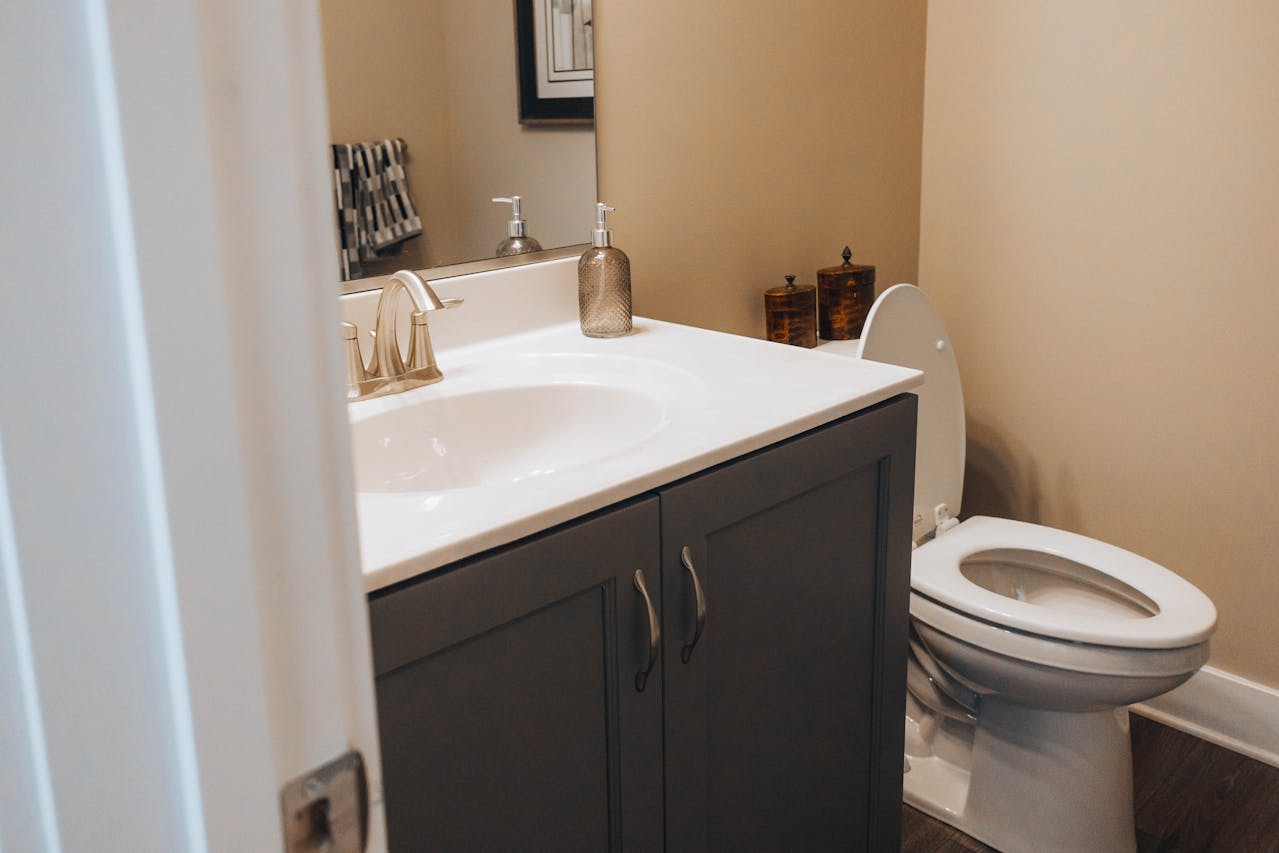
Modern plumbing system installation in a new Randburg home

Randburg Plumbing Installations: Modern Systems for New Homes

Randburg plumbing installations are becoming increasingly sophisticated as new homes demand higher efficiency, better water management, and long-term system reliability. Homeowners in rapidly developing suburbs are no longer satisfied with basic plumbing setups; instead, they expect integrated systems that support modern appliances, sustainability goals, and future maintenance ease.

In Randburg and surrounding areas, new residential developments are designed with more forward-thinking infrastructure. This shift is partly driven by rising water costs, stricter building standards, and growing awareness of water conservation. As a result, plumbing systems are now a core part of architectural planning rather than an afterthought.

Understanding how modern plumbing works in new homes is essential for homeowners, builders, and property developers. Poor installation decisions can lead to long-term issues such as leaks, pressure problems, or inefficient water heating systems. That is why careful planning and professional execution matter from the very beginning.

Modern Plumbing Systems in New Residential Developments

New homes are no longer built with outdated piping methods or basic layouts. Instead, modern plumbing systems are designed for performance, durability, and adaptability. In Randburg, new builds often incorporate advanced pipe materials like PEX and copper alternatives, which reduce corrosion risk and improve water flow consistency.

In addition, plumbing layouts are now planned in a way that minimizes pressure loss and improves energy efficiency. Water heating systems, for example, are often integrated with solar or heat pump technologies to reduce electricity consumption.

Another important shift is zoning within homes. Kitchens, bathrooms, and laundry areas are often grouped strategically to reduce pipe length and improve maintenance access. This makes future repairs less invasive and more cost-effective.

Professional planning plays a major role in ensuring that systems function efficiently from day one. Poor layout design can lead to unnecessary strain on pipes and appliances, reducing system lifespan significantly.

Planning Considerations for New Home Plumbing Systems

Before installation begins, proper planning is essential to avoid long-term complications. Builders and homeowners should consider both current household needs and potential future expansion.

Modern plumbing design typically involves a detailed assessment of water demand, fixture placement, and pressure regulation. This ensures that the system can handle simultaneous usage without performance issues.

When working with Randburg plumbing installations, professionals often evaluate several key factors:

  1. Household water consumption patterns and peak usage times
  2. Pipe routing efficiency to minimize heat and pressure loss
  3. Compliance with local building codes and safety standards
  4. Future-proofing for additional bathrooms or appliances
  5. Integration with energy-efficient heating systems

Each of these elements contributes to a more reliable and sustainable plumbing infrastructure. Skipping any of these steps can lead to costly redesigns later.

Material selection is another critical decision. Modern homes benefit from materials that resist scaling, corrosion, and temperature fluctuations. This helps ensure consistent performance over many years.

Water Efficiency and Sustainable Plumbing Design

Sustainability has become a major focus in residential plumbing design. Water scarcity concerns in South Africa have encouraged homeowners to adopt more efficient systems that reduce waste and improve reuse.

Modern homes often include low-flow fixtures, dual-flush toilets, and pressure-balancing systems. These features significantly reduce water consumption without compromising performance.

Rainwater harvesting systems are also increasingly common. Collected rainwater can be used for irrigation, toilet flushing, and even laundry in some cases. Greywater recycling systems further enhance water efficiency by reusing lightly used water from showers and basins.

Energy efficiency is equally important. Solar geysers and heat pump systems are now widely installed in new developments, reducing reliance on traditional electricity-heavy water heating methods.

Proper installation is critical for these systems to function correctly. Incorrect setup can lead to contamination risks, inefficiency, or system failure.

Common Installation Challenges in New Homes

Even with modern planning, plumbing installations can face challenges during construction. Coordination between different building trades is often a key issue, especially when timelines are tight.

Another common issue is incorrect pipe sizing. If pipes are too small, water pressure suffers. If they are too large, water stagnation can occur, leading to inefficiency and potential hygiene concerns.

Temperature fluctuations in Randburg can also affect plumbing systems if materials are not properly selected or insulated. Expansion and contraction of pipes over time may lead to leaks if not accounted for during installation.

Water pressure regulation is another area where problems often arise. Without proper balancing, certain fixtures may receive too much or too little pressure, affecting usability and system longevity.

Importance of Professional Installation Standards

High-quality plumbing systems depend heavily on professional workmanship. Certified plumbers follow strict standards to ensure safety, compliance, and durability.

Proper installation includes pressure testing, leak detection, and system flushing before final handover. These steps are essential for identifying hidden faults that could become major issues later.

In addition, professionals ensure compliance with local regulations and building codes. This is especially important in new developments where inspections are required before occupancy approval is granted.

Maintenance and Long-Term System Performance

Even the best plumbing systems require ongoing maintenance to remain efficient. Regular inspections help detect early signs of wear, corrosion, or blockages.

Homeowners should pay attention to water pressure changes, slow drainage, or unusual sounds in pipes. These can be early indicators of underlying issues.

Routine maintenance tasks typically include:

  • Checking for hidden leaks in walls or under floors
  • Cleaning drain lines to prevent blockages
  • Inspecting geysers and water heaters for sediment buildup
  • Testing water pressure regulators for consistency
  • Ensuring outdoor drainage systems are clear of debris

Preventive maintenance reduces repair costs and extends system lifespan significantly. It also helps maintain water efficiency, which is increasingly important in modern households.

Choosing the Right Plumbing Approach for Modern Homes

Selecting the right plumbing approach for a new home requires balancing cost, efficiency, and long-term reliability. While cheaper installations may seem appealing initially, they often result in higher maintenance expenses over time.

Homeowners should prioritize quality materials, proper system design, and skilled installation. This ensures that the plumbing infrastructure supports both current needs and future upgrades.

Modern systems are not just about functionality—they also contribute to sustainability, comfort, and property value. A well-designed plumbing system can significantly enhance the livability of a home while reducing long-term operational costs.

As housing developments continue to expand in Randburg, the demand for advanced plumbing solutions will keep growing. Careful planning and professional execution remain the foundation of reliable home water systems.
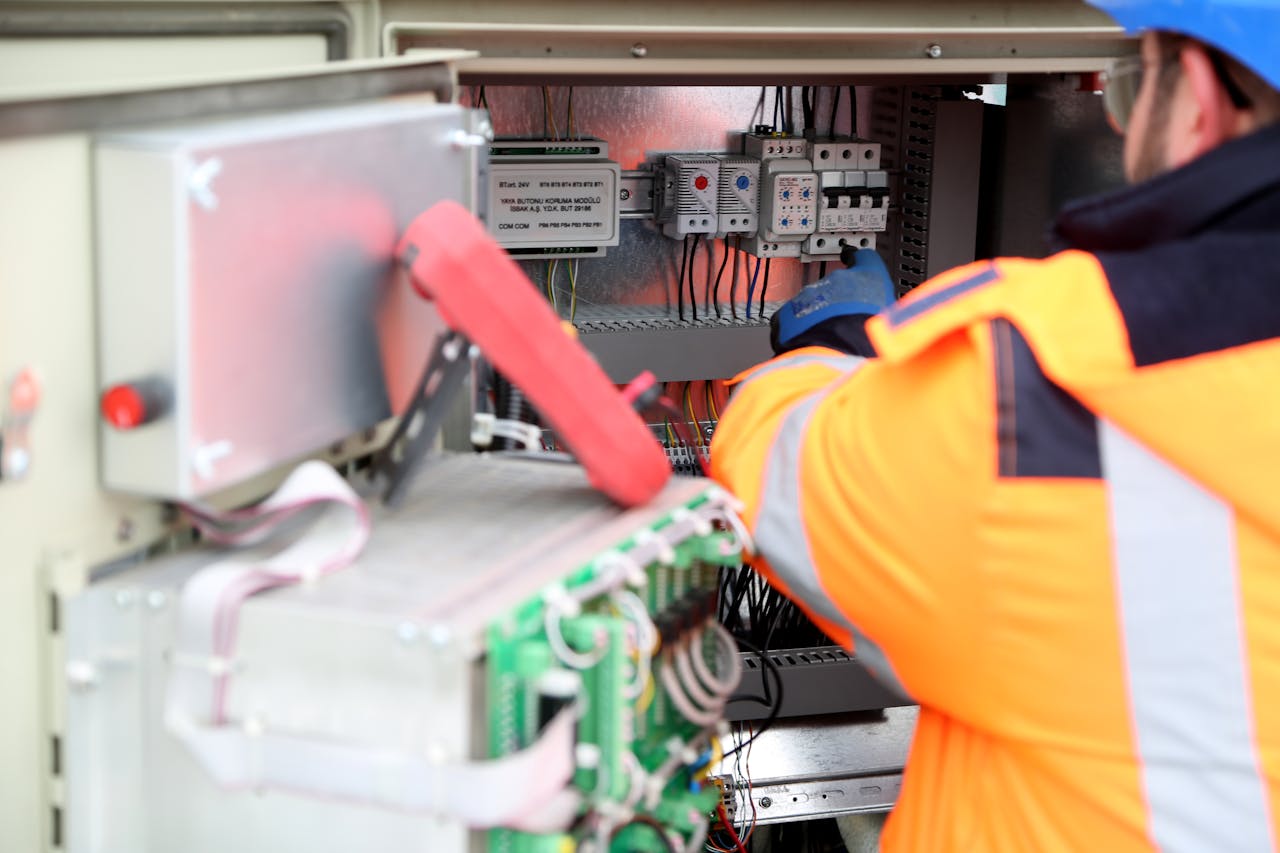
Electrician issuing Certificate of Compliance during property sale inspection

What a COC Electrician Is Responsible for in South African Property Sales

In South Africa’s property market, compliance and safety are non-negotiable. Buyers want assurance, sellers want a smooth transfer, and legal professionals need everything documented correctly. One key requirement that often determines whether a sale proceeds without delays is the electrical compliance certificate.

A qualified COC electrician plays a central role in this process, ensuring that a property’s electrical installation meets regulatory standards before ownership changes hands. Without proper certification, a sale can stall or even collapse, making this step far more than just a technical formality.

Understanding what this professional is responsible for helps both buyers and sellers avoid costly surprises. It also clarifies why electrical compliance is treated as a legal obligation rather than a recommendation in property transactions.

Understanding the Legal Role in Property Transfers

Electrical compliance is governed by strict national regulations. Before a property can be transferred, the seller must provide a valid certificate confirming that the electrical system is safe and compliant.

This is where the COC electrician becomes essential. Their role is not simply to “check a few wires.” Instead, they conduct a thorough inspection aligned with the Occupational Health and Safety Act and relevant electrical installation regulations.

They act as an independent, qualified authority. Their findings carry legal weight. If something is signed off incorrectly, accountability rests with them.

Conducting a Comprehensive Electrical Inspection

The first major responsibility involves a detailed inspection of the entire electrical installation. This is not a surface-level assessment.

Every critical component is evaluated for safety and compliance.

  • Distribution boards are checked for correct labeling and safe configuration
  • Wiring systems are assessed for damage, wear, or improper installation
  • Earth leakage units are tested to ensure they function correctly
  • Socket outlets and switches are examined for faults or hazards
  • Bonding and earthing systems are verified for compliance

This process ensures that hidden risks are identified before they become dangerous or legally problematic.

It also protects the buyer from inheriting unsafe conditions that could lead to electrical failures or fire hazards.

Identifying Faults and Non-Compliance Issues

Inspection alone is not enough. The electrician must clearly identify anything that does not meet regulatory standards.

Common issues include outdated wiring, overloaded circuits, or incorrect installations done during renovations. Even minor deviations can render a system non-compliant.

The electrician documents these findings in detail. This report becomes the foundation for any corrective work that needs to be completed before certification can be issued.

In many cases, sellers are surprised by how small faults can impact compliance. Something as simple as a missing cover plate or incorrect circuit labeling can delay certification.

Recommending and Performing Necessary Repairs

Once issues are identified, the next responsibility involves addressing them. Some electricians only inspect and report, while others are qualified to carry out the repairs themselves.

Either way, the property must be brought up to standard before a certificate can be issued.

  • Faulty wiring may need replacement or rerouting
  • Distribution boards might require upgrades or reconfiguration
  • Earthing systems often need correction to meet safety requirements
  • Old components may need to be replaced with compliant alternatives

This stage is crucial. It ensures that compliance is not just theoretical but fully implemented in the physical system.

It also gives buyers confidence that the property they are purchasing is electrically sound.

Issuing the Electrical Certificate of Compliance

After all inspections and necessary repairs are completed, the electrician can issue the Certificate of Compliance.

This document confirms that the installation meets all legal safety standards at the time of inspection.

It is not a casual sign-off. The certificate includes detailed information about the property, the scope of the inspection, and the electrician’s credentials.

Once issued, it remains valid for a defined period, provided no changes are made to the electrical system. Any alterations, such as renovations or additions, may require a new certificate.

For property transfers, this document is mandatory. Without it, registration cannot proceed.

Ensuring Accountability and Legal Protection

The responsibility of a COC electrician extends beyond technical work. There is a strong legal dimension to their role.

They are accountable for the accuracy of the certificate. If an installation later proves to be unsafe due to negligence or oversight, they may face legal consequences.

This accountability protects all parties involved.

Sellers are safeguarded from future claims once a valid certificate is issued. Buyers gain peace of mind knowing the system has been professionally assessed. Conveyancers can proceed with confidence that legal requirements have been met.

Supporting Smooth Property Transactions

Delays in property transfers are often linked to compliance issues. Electrical certification is one of the most common bottlenecks.

By engaging a qualified electrician early in the process, sellers can avoid last-minute complications. Inspections can be completed well before the transfer date, allowing time for any necessary repairs.

This proactive approach reduces stress and keeps the transaction on track.

It also strengthens trust between buyers and sellers. Transparency around compliance builds confidence and minimizes disputes.

Understanding Limitations of the Certification

While the certificate confirms compliance at the time of inspection, it does not guarantee future performance.

Electrical systems can deteriorate over time. New faults may develop, especially in older properties.

Buyers should understand that the certificate reflects a snapshot in time. It does not replace ongoing maintenance or future inspections.

That said, it provides a critical baseline. It confirms that, at the point of sale, the installation met all required safety standards.

Choosing a Qualified and Registered Professional

Not all electricians are authorized to issue compliance certificates. Only those who are properly registered and accredited can perform this role.

Working with an unqualified individual can lead to invalid certification, which creates legal risks and delays.

It is essential to verify credentials before proceeding. A legitimate professional will have the necessary registration and be able to provide proof upon request.

Experience also matters. Property transactions come with tight timelines and high stakes, so working with someone familiar with the process can make a significant difference.

Why This Role Matters More Than Many Expect

Electrical compliance is often underestimated until it becomes a problem. Yet it sits at the intersection of safety, legality, and financial risk.

A skilled electrician does more than tick boxes. They ensure that a property is safe for occupation, compliant with national regulations, and ready for transfer without complications.

In the context of South African property sales, their role is both technical and legal. It is a responsibility that directly impacts the success of the transaction and the safety of the people who will live in the space.

Understanding this role allows buyers and sellers to approach the process with clarity, avoid unnecessary delays, and ensure that every aspect of the transaction is handled correctly from the start.